
All You Need to Know About Deep Sedation
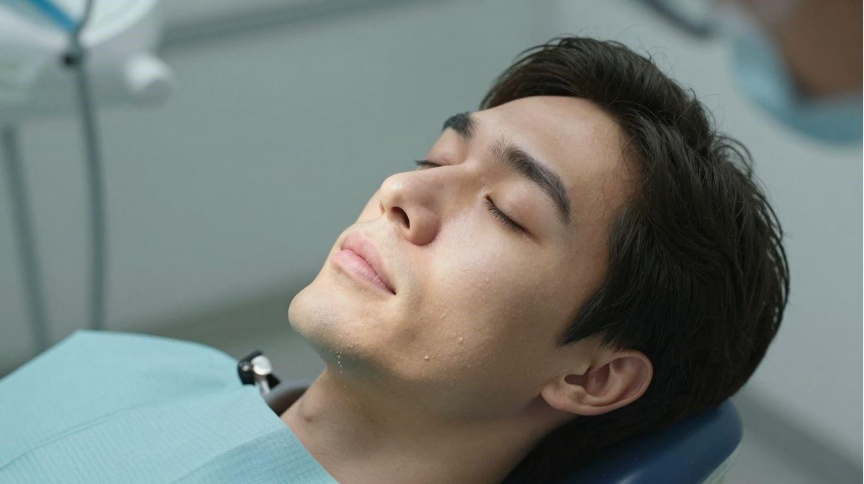
For many people, the thought of going to the dentist can bring on a lot of worry. This is especially true when it comes to more involved procedures. Thankfully, there are ways to make these experiences much more manageable. Deep sedation is one such option that helps patients stay calm and comfortable during dental work. This article will cover everything about deep sedation, from what it is to who might benefit and what to expect.
Key Takeaways
- Deep sedation is a state where a patient is asleep during dental treatment, with minimal memory of the procedure. It's different from general anesthesia as the patient can still be woken.
- It's particularly helpful for those with severe dental anxiety or phobia, people needing complex procedures, or those with limited time for treatment.
- Administered intravenously by specially trained dental professionals, deep sedation requires close monitoring of vital signs like heart rate and oxygen levels for safety.
- Common side effects are usually mild and temporary, such as drowsiness, dry mouth, or hiccups, with most patients feeling back to normal within 24 hours.
- While generally safe, it's important to discuss your health history and any medications with your dentist to avoid potential complications and ensure the best outcome.
What Is Deep Sedation in Dentistry?
Deep sedation in dentistry is a way to help patients relax and feel comfortable during dental procedures. It's more than just feeling a little sleepy; it brings you to a state where you're mostly asleep and have little to no memory of the treatment afterward. Think of it as a way to make complex or lengthy dental work much more manageable, especially for those who experience significant anxiety or fear related to dental visits.
This method is administered intravenously, meaning through an IV line. This allows the dental professional to carefully control the level of sedation, keeping you in a relaxed, dream-like state. It's designed to help you tolerate procedures that might otherwise be too difficult or uncomfortable. The goal is to allow necessary dental care to be completed without the patient experiencing distress.
While under deep sedation, your breathing might slow down, and you'll likely sleep through the entire appointment. You'll often be given oxygen to help with breathing during this time. It's important to know that deep sedation is different from general anesthesia, where you are completely unconscious. With deep sedation, you remain on the edge of consciousness and can still be roused if needed, though you likely won't remember it. It also helps manage pain during and after the procedure.
Does Deep Sedation Have Side Effects? While generally safe when administered by trained professionals, some patients might experience minor side effects as the sedation wears off. These can include shivering, a dry mouth, or feeling a bit queasy. Hiccups can also occur in some individuals. These effects are usually temporary and resolve within 24 hours.
Deep sedation is a powerful tool for patients who need extensive dental work or have strong dental phobias, making it possible for them to receive the care they need without the usual stress and discomfort.
How Deep Sedation Works During Dental Treatment
Deep sedation is a way to help patients feel relaxed and comfortable during dental procedures. It's administered through an intravenous (IV) line, which lets the dental team carefully control the amount of sedative medication given. This allows them to keep you in a state where you're deeply relaxed, almost asleep, but still able to respond if needed. The goal is to make extensive dental work manageable and less stressful for you.
When you receive deep sedation, the medication works by slowing down your central nervous system. This helps to reduce your awareness and your sense of pain. It's often used alongside local anesthetic to make sure you don't feel any discomfort during the procedure. For many people, the experience feels like time just flew by, and they have little to no memory of the treatment afterward. This can be a big relief, especially for those who have dental anxiety or are facing complex procedures.
Here's a general idea of what happens:
- Medication Administration: A trained professional administers the sedative through an IV.
- Monitoring: Throughout the procedure, your vital signs like heart rate, blood pressure, and oxygen levels are closely watched.
- Procedure: Dental work is completed while you are in a deeply relaxed state.
- Recovery: The effects of the sedative gradually wear off.
This method allows dentists to perform more work in a single visit, which can be more convenient and sometimes more cost-effective. It's a way to ensure that necessary dental care isn't put off due to fear or discomfort. Everything About Deep Sedation is designed to make your dental experience as smooth as possible.
While under deep sedation, you'll be monitored constantly. Oxygen might be provided through a mask or nasal tubes to help with breathing. The medication is adjusted as needed to maintain the right level of sedation for the duration of your treatment.
Who May Benefit Most from Deep Sedation?
Deep sedation can be a real game-changer for certain individuals facing dental work. It's particularly helpful for those who experience significant dental anxiety or phobia. This isn't just a little nervousness; we're talking about people for whom the thought of a dental visit can trigger panic or extreme discomfort. For these individuals, avoiding necessary treatment due to fear can lead to serious oral health problems, which can then affect their overall well-being.
Beyond anxiety, several other situations make deep sedation a strong consideration:
- Complex Procedures: If you need extensive work done, like multiple extractions, implants, or significant restorative treatments, deep sedation allows for more to be accomplished in a single, less stressful appointment. This can save time and potentially reduce overall costs.
- Limited Time: For those with busy schedules or who are traveling from out of town for treatment, completing a lot of work at once is a major advantage.
- Physical Sensitivities: Individuals with a strong gag reflex, or those who have difficulty remaining still for extended periods due to back or neck issues, can find deep sedation makes treatment much more manageable.
- Past Traumatic Experiences: A negative dental experience in the past can leave lasting fear. Deep sedation can help overcome this trauma and allow for necessary care to be received.
- Sensitive Teeth or Gums: For those who are exceptionally sensitive, deep sedation, combined with local anesthetic, can ensure a comfortable experience with minimal to no pain.
Essentially, if the idea of dental treatment causes you significant distress, or if the procedure itself is lengthy and complex, deep sedation might be the right path to getting the care you need without the overwhelming burden of fear or discomfort. It's about making dental health accessible and manageable for everyone.
The decision to use deep sedation is a personal one, best made after a thorough discussion with your dental professional. They can assess your specific needs, medical history, and the nature of the proposed treatment to determine if it's the most suitable option for you.
Safety and Monitoring During Deep Sedation
When you undergo deep sedation for dental work, your safety is the top priority. A skilled dental team will be watching you closely throughout the entire procedure. They use special equipment to keep track of your vital signs. This includes monitoring your heart rate, blood pressure, and the amount of oxygen in your blood. A small device, often placed on your finger, helps with this. You might also receive extra oxygen through a mask or small tubes in your nose to help you breathe easily.
The team is trained to handle any unexpected situations that might arise. While serious issues are rare, they are prepared to manage them. This constant vigilance is key to Safeguarding Your Oral and General Health.
Here's what you can expect regarding monitoring:
- Vital Signs Tracking: Continuous observation of heart rate, blood pressure, and oxygen saturation.
- Breathing Support: Supplemental oxygen is often provided to maintain healthy oxygen levels.
- Team Preparedness: The dental professionals are skilled in managing potential complications.
After the procedure, you'll continue to be monitored as the sedation wears off. It's important to have someone drive you home and to rest for the remainder of the day. Following post-procedure instructions is also a key part of your recovery and overall well-being.
Procedures Commonly Performed with Deep Sedation
Deep sedation is a fantastic option for a wide range of dental procedures, especially those that might otherwise be too complex or lengthy for a patient to comfortably undergo. It's particularly helpful when a lot of work needs to be done in a single visit, saving you time and potentially reducing overall costs.
Think about procedures like:
- Full mouth rehabilitation: This involves restoring all or most of your teeth, often requiring multiple appointments. Deep sedation makes this extensive process much more manageable.
- Wisdom tooth extraction: For impacted or difficult-to-remove wisdom teeth, deep sedation can ensure you remain relaxed and pain-free.
- Dental implant placement: Placing one or more dental implants can be a significant procedure. Deep sedation helps patients who might otherwise feel anxious about it.
- Complex extractions: Beyond wisdom teeth, other challenging tooth removals can be performed with ease under deep sedation.
- Root canal therapy: While often not overly painful with local anesthetic, deep sedation can be beneficial for patients with extreme dental anxiety or those needing extensive root canal work.
The primary goal is to make necessary or extensive dental work achievable for everyone, regardless of their anxiety levels or the complexity of the treatment. It's important to remember that deep sedation is just one of the Three Types of Sedation available, with minimal and moderate sedation being other options for less intensive needs. Your dentist will help determine the best approach for your specific situation.
Wrapping Up: Your Comfort and Safety
Deep sedation can be a really helpful tool for people who find dental work tough, whether it's due to anxiety, a past bad experience, or just needing a lot of work done. It's designed to keep patients relaxed and comfortable, often with little to no memory of the procedure afterward. While it's generally safe when handled by trained professionals who monitor you closely, it's important to talk to your dentist about whether it's the right choice for you. They can explain the process, what to expect, and answer any questions you might have to make sure you feel secure and well-cared for throughout your treatment.
Frequently Asked Questions
What exactly is deep sedation?
Deep sedation is a way to help patients relax and feel very sleepy during dental procedures. It's stronger than regular sedation, making patients feel like they're almost asleep. They might not remember much, or anything at all, about the treatment afterward. It's used to make difficult or lengthy dental work more comfortable.
How is deep sedation given?
Deep sedation is usually given through an IV, which means a small tube is placed in a vein. This allows the dentist to carefully control how much sedative is given and adjust it as needed. Sometimes, it might be given as a drink or a pill, but an IV offers the most precise control.
Who typically needs deep sedation for dental work?
People who are very anxious or scared about going to the dentist often benefit from deep sedation. It's also helpful for those who need complex or long dental procedures, like implants or extensive surgery, or if they have a strong gag reflex that makes treatment difficult.
Is deep sedation safe?
When given by a trained and experienced dental professional, deep sedation is considered safe. Throughout the procedure, a patient's breathing, heart rate, and oxygen levels are closely watched. While all medical procedures have some risks, the dental team is prepared to handle any issues that might come up.
What should someone expect after deep sedation?
After the procedure, patients will likely feel groggy and relaxed. They won't be able to drive themselves home and should rest for the rest of the day. They might feel a bit tired or have a dry mouth, but these feelings usually go away within 24 hours.
Can I still feel pain during deep sedation?
Deep sedation is often used along with local anesthesia, which numbs the area being worked on. While the sedative helps you relax and not feel anxious, the local anesthetic prevents pain during the procedure. You should experience little to no discomfort.
Blog Post Author

Contributed by DentalROI
DentalROI provides relevant dental content to help providers educate patients. The statements, services, and products referenced in this article have not been evaluated by the Food and Drug Administration, and they are not intended as a substitute for professional medical advice, diagnosis, or treatment. Always seek the advice of your dental provider with any questions or issues you may have. Specific recommendations may vary in different circumstances, so individual consultation is important.
