
Dental Bridge vs Dental Implant: Which Is the Better Choice
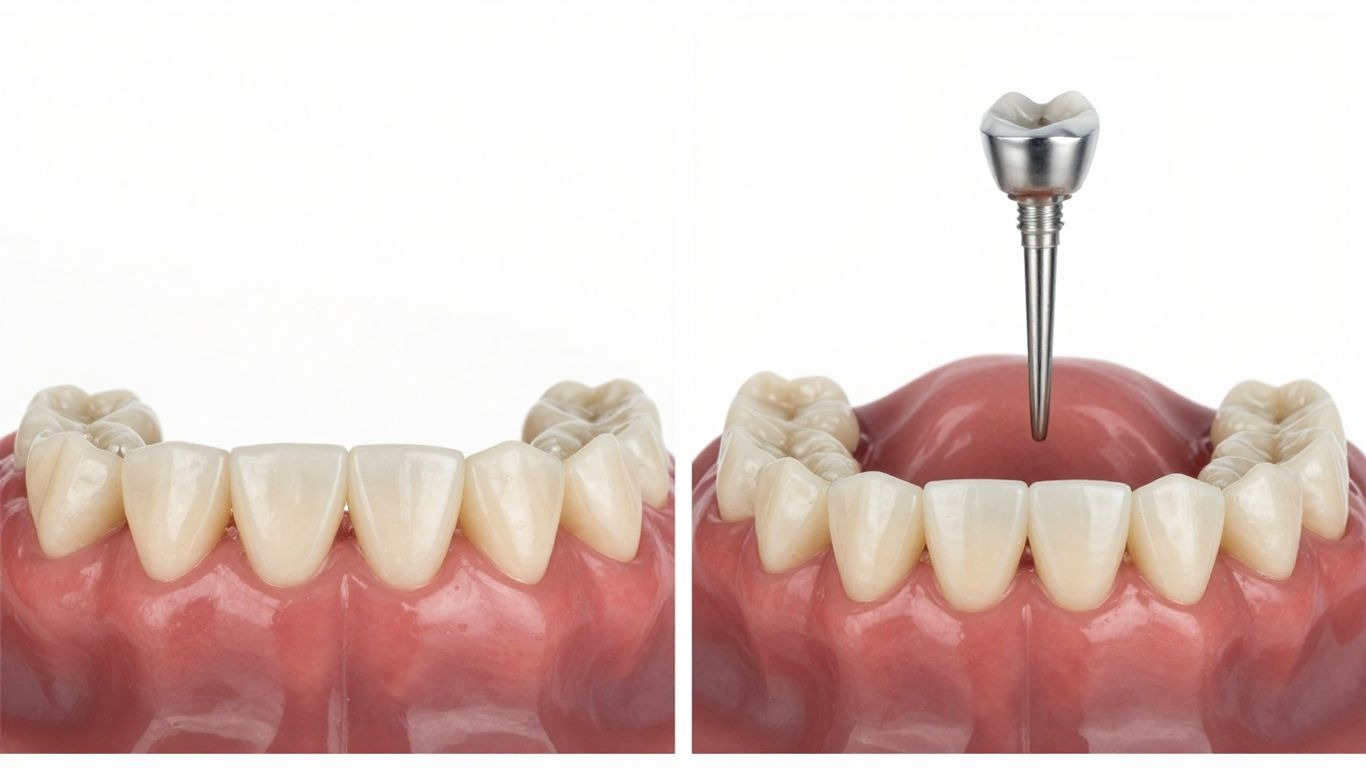
Deciding how to replace a missing tooth can feel like a big deal. You've probably heard about dental bridges and implants, and maybe you're wondering which one is the better pick. Honestly, it's not always a simple answer. Both can get the job done, but they work differently and have their own pros and cons. We'll break down the dental bridge vs implant situation to help you figure out what makes the most sense for your smile and your life.
Key Takeaways
- Dental implants replace the tooth root and crown, helping to keep your jawbone healthy and not needing to alter nearby teeth. They can last a lifetime.
- Dental bridges span the gap using adjacent teeth for support. They're usually quicker and less expensive upfront but may need replacing sooner.
- Implants are generally considered the gold standard for long-term health and durability, preventing bone loss.
- Bridges can be a good choice if nearby teeth already need crowns, if you have bone loss and don't want grafting, or if you need a faster, more budget-friendly fix.
- The best option depends on your specific oral health, budget, timeline, and what you want for your smile's appearance and function.
Dental Bridge vs Dental Implant: What's the Difference?
So, you've got a gap where a tooth used to be, and you're wondering what to do about it. Two of the most common fixes are dental bridges and dental implants. They both aim to fill that space, but they go about it in pretty different ways. Let's break down the dental bridge vs dental implant situation.
How does a dental bridge work vs a dental implant?
A dental implant is kind of like a whole new tooth, root and all. It starts with a titanium post that gets surgically placed into your jawbone. Think of it as an artificial root. Over time, your jawbone fuses with this post, making it super stable. Then, a custom-made crown is attached to the post, looking and feeling just like your natural tooth. The cool thing here is that implants don't mess with your other teeth at all. They're completely independent.
A dental bridge, on the other hand, is a bit of a team player. It literally bridges the gap left by your missing tooth. To do this, it needs anchors. These anchors are usually crowns that are fitted onto the teeth right next to the gap. The artificial tooth (called a pontic) then hangs between these anchor crowns. So, the bridge is supported by your neighboring teeth. This means those adjacent teeth might need to be reshaped to make room for the crowns.
Here's a quick rundown:
- Dental Implant: A titanium post acts as an artificial root, fused with the jawbone, topped with a crown. It's a standalone solution.
- Dental Bridge: An artificial tooth (pontic) is held in place by crowns attached to the teeth on either side of the gap.
The main difference really comes down to how they're supported. Implants are self-supporting and integrate with your bone, while bridges rely on your natural adjacent teeth for stability.
It's a big decision, and understanding these basic mechanics is the first step in figuring out which dental bridge vs dental implant option is best for you.
Bridge or Implant Which Is the Better Tooth Replacement?
So, you've got a gap where a tooth used to be, and now you're trying to figure out the best way to fill it. It really comes down to a few key things when you're weighing a bridge or implant, which is better for you personally. Both are solid options for tooth replacement, but they work quite differently and have their own pros and cons.
Think of a dental implant as a standalone solution. It's like a new root that gets placed directly into your jawbone, and then a crown is attached to that. This is great because it doesn't mess with your other teeth at all. Plus, it helps keep your jawbone healthy because it mimics the natural stimulation of a real tooth root. On the flip side, a dental bridge uses the teeth next to the gap as anchors. Your dentist will put crowns on those healthy teeth, and then attach the fake tooth (called a pontic) in between them. It's a quicker process than an implant, and sometimes it's a good choice if you don't have enough bone for an implant or if you want to avoid surgery.
Here’s a quick rundown to help you compare:
- Implants:
- Act like a natural tooth root, stimulating bone.
- Don't rely on neighboring teeth.
- Can last a lifetime with good care.
- May require surgery and a longer healing time.
- Bridges:
- Use adjacent teeth for support.
- Can be placed more quickly.
- May need to be replaced down the line.
- Require careful cleaning to prevent issues with anchor teeth.
Ultimately, the choice between a tooth replacement bridge or implant hinges on your specific oral health, how much time you have, and what your budget looks like. It's not just about filling the space; it's about finding a solution that works best for your long-term health and lifestyle.
When you're trying to decide on a tooth replacement bridge or implant, it's super important to chat with your dentist. They can look at your mouth, check out your jawbone, and talk through all your options to help you make the best call. They'll consider things like the health of your gums, the condition of the teeth next to the gap, and even how you bite. It’s a big decision, but with the right info, you can feel confident about getting your smile back on track.
Dental Bridge vs Implant Cost: Which Is More Affordable?
When you're looking at replacing a missing tooth, the price tag is definitely a big factor. Let's break down the dental bridge vs implant cost so you can get a clearer picture.
Does insurance cover a bridge or implant?
This is a common question, and the answer is... it depends. Many dental insurance plans are more likely to chip in for a dental bridge than for an implant. Bridges are often seen as a more traditional treatment, and insurance companies might cover a portion of the cost, especially for the crown or prosthetic parts. Implants, being a more advanced procedure, sometimes have less coverage, or might require specific pre-authorizations. It's always a good idea to check with your insurance provider beforehand to see exactly what's covered under your specific plan. Don't assume anything!
The Price Tag Breakdown
- Dental Bridge: The cost for a bridge is usually calculated per unit (the replacement tooth plus the parts that anchor it). You might be looking at anywhere from $2,000 to $4,000 for a typical bridge. This can change based on the materials used and how many teeth are involved.
- Dental Implant: A single dental implant, which includes the post, abutment, and crown, can often range from $3,000 to $5,500 or even more. Factors like needing bone grafting or special imaging can push the price up.
Dental Implant vs Bridge Pros and Cons
Dental Implants: The Good Stuff
- Super Durable: These things are built to last. Because they fuse with your jawbone, they can stick around for decades with good care. Think of them as a permanent fix.
- Keeps Your Jawbone Happy: Unlike bridges, implants act like a real tooth root. This means they keep stimulating your jawbone, which helps prevent that sunken look you can get when you lose teeth and the bone starts to shrink.
- No Fuss with Other Teeth: Implants stand on their own. They don't need to mess with your healthy neighboring teeth, which is a big plus for keeping your natural smile intact.
- Easy Peasy Cleaning: Since they're like individual teeth, cleaning around them is just like brushing your natural teeth. No special tools needed to get under anything.
Dental Implants: The Not-So-Good Stuff
- Surgery Required: Yep, there's a surgical step involved to put the implant post in your jaw. If you're not a fan of surgery, this might be a hurdle.
- Takes Time: The whole process, from implant to crown, can take several months because you have to wait for the bone to heal around the implant.
- Higher Upfront Cost: Generally, implants cost more when you first get them compared to bridges.
Dental Bridges: The Good Stuff
- No Surgery Needed: This is a big one for many people. Bridges are a non-surgical option, which means less worry and no recovery from an operation.
- Quicker Results: You can usually get a bridge fitted much faster than an implant. If you want your smile fixed up quickly, a bridge is often the way to go.
- Lower Initial Cost: Bridges typically cost less upfront than implants, making them a more budget-friendly choice for some.
- Works Even with Bone Loss: If you've lost some jawbone, a bridge doesn't need that bone for support, unlike an implant which might require bone grafting first.
Dental Bridges: The Not-So-Good Stuff
- Impacts Neighboring Teeth: To hold a bridge in place, the teeth on either side of the gap usually need to be reshaped (filed down) to fit crowns. This can weaken them over time.
- Can Lead to Decay: It can be harder to clean under the bridge where the fake tooth (pontic) is. This can increase the risk of cavities or gum problems on the supporting teeth or the gums underneath.
- Doesn't Last as Long: Bridges usually need to be replaced every 5 to 10 years, whereas implants can last much longer.
- Bone Loss Still Happens: Since a bridge doesn't replace the tooth root, the jawbone underneath the missing tooth can still shrink over time.
Which Tooth Replacement Option Is Right for You?
- Your bone health matters.
- Cost is a big factor.
- Recovery and procedure time aren’t the same.
- How you take care of your teeth counts.
So, what's the Verdict?
Alright, so we've talked about bridges and implants quite a bit. Both are pretty solid ways to deal with missing teeth, but they're not exactly the same. Implants are like the long-term, super-stable option – they really help keep your jawbone healthy and usually last ages. Bridges, on the other hand, can be a quicker fix and might be easier on the wallet upfront, especially if your other teeth already need some work. Ultimately, the best choice really comes down to what works for you. Think about your health, your budget, and what you want your smile to look like down the road. Chatting with your dentist is key here; they can help you figure out which path leads to the happiest, healthiest smile for your situation.
Frequently Asked Questions
What's the main difference between a dental bridge and an implant?
Think of a dental implant as a whole new tooth root and tooth. A titanium post is placed in your jawbone, and then a crown goes on top. This helps keep your jawbone healthy. A dental bridge, on the other hand, uses the teeth next to the gap for support. It's like a bridge with a fake tooth in the middle, attached to crowns on the neighboring teeth.
How long do dental implants and bridges usually last?
Dental implants are built to last a very long time, often a lifetime, with good care. Bridges usually need to be replaced every 5 to 15 years because the supporting teeth or the bridge itself can wear out over time.
Are dental implants more expensive than bridges?
Generally, dental implants cost more upfront than bridges. However, since implants can last much longer and might not need replacing, they can sometimes be more cost-effective over many years. Bridges might be cheaper to start with, but you may have to pay for replacements later.
Does dental insurance cover bridges or implants?
Insurance coverage can vary a lot. Some plans cover bridges better than implants, sometimes because implants are seen as more cosmetic. It's best to check with your insurance provider to see what your specific plan covers for each option.
When might a dental bridge be a better choice than an implant?
A bridge might be a good choice if the teeth next to the gap already need crowns or fillings. It can also be a better option if you don't have enough bone for an implant and don't want to get bone grafting, or if you need a quicker and less expensive solution.
What do dentists usually recommend?
Many dentists consider implants the 'gold standard' because they help preserve jawbone and don't affect healthy neighboring teeth. They often last longer. However, the best choice really depends on your specific situation, including your oral health, budget, and how quickly you want the treatment done. Your dentist will help you figure out what's best for you.
Blog Post Author

Contributed by DentalROI
DentalROI provides relevant dental content to help providers educate patients. The statements, services, and products referenced in this article have not been evaluated by the Food and Drug Administration, and they are not intended as a substitute for professional medical advice, diagnosis, or treatment. Always seek the advice of your dental provider with any questions or issues you may have. Specific recommendations may vary in different circumstances, so individual consultation is important.
