
Do dental implants hurt? Everything you need to know
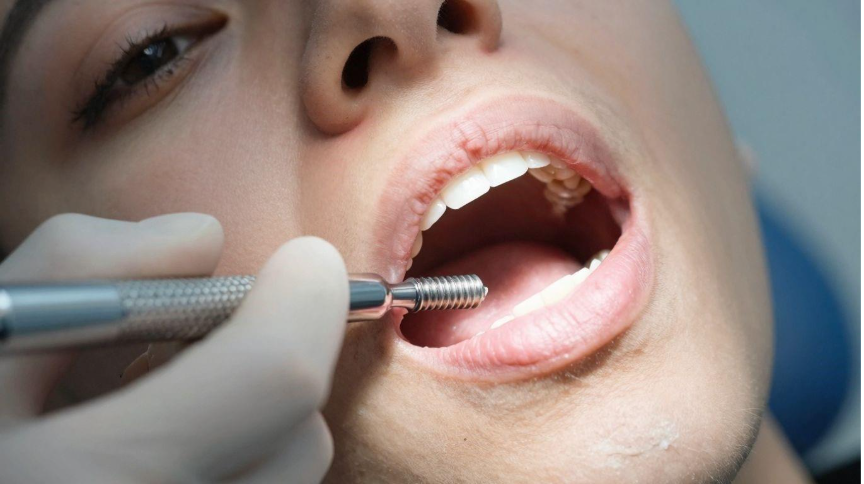
Many people wonder, "Do dental implants hurt?" It's a common question, and for good reason. The thought of dental work can bring up worries about pain. But the truth is, modern dental implants are designed to be as comfortable as possible. We'll walk you through what to expect before, during, and after the procedure, so you can feel more at ease.
Key Takeaways
- The dental implant procedure itself usually doesn't hurt because of local anesthesia. You might feel pressure or vibration, but not sharp pain.
- Some soreness after the procedure is normal, similar to having a tooth pulled. This discomfort is typically mild and manageable with over-the-counter pain relievers.
- Most pain or soreness after getting dental implants lasts for a few days to a week. It's rare for implant pain to last a long time.
- Factors like the number of implants, whether bone grafting is needed, and individual healing can affect how much discomfort you feel.
- If you're worried about pain, talk to your dentist about sedation options like nitrous oxide or oral sedation, which can make the experience much more comfortable.
Addressing a Common Concern About Dental Implants
It's completely normal to wonder about pain when considering any medical procedure, and dental implants are no exception. Many people worry that getting dental implants will be a painful experience. The good news is that advancements in dental technology and anesthesia have made the process much more comfortable than many imagine.
While some level of discomfort is to be expected after any surgical procedure, the goal is to keep it manageable. Dentists use local anesthesia to numb the area completely before starting the implant placement. During the surgery itself, you shouldn't feel pain, though you might sense some pressure or vibration. It's often the anticipation of pain that causes more anxiety than the actual sensation.
Here's a quick look at what to expect regarding comfort:
- During the Procedure: With proper anesthesia, pain is generally not an issue. You might feel pressure, but not sharp pain.
- Immediately After: Some soreness is normal as the anesthesia wears off. This is typically mild and can be managed with over-the-counter pain relievers.
- Recovery Period: Most patients report that any discomfort is temporary and subsides within a few days to a week.
It's also worth noting that the fear of pain can sometimes be worse than the reality. Many patients who have undergone the procedure express surprise at how manageable the discomfort was, often finding it less bothersome than they anticipated.
Understanding the steps involved and the pain management strategies available can significantly reduce anxiety. Open communication with your dental team about any concerns you have is key to a comfortable experience.
Does the Dental Implant Procedure Hurt?
It's completely normal to wonder, "Do dental implants hurt?" This is probably one of the first questions on your mind when considering the procedure. Many people imagine it will be quite painful, but the reality is often much different. Most patients are pleasantly surprised by how little discomfort they experience during the actual dental implant procedure.
So, how bad do dental implants hurt during the surgery itself? The short answer is: they generally don't. The area where the implant is being placed is thoroughly numbed with local anesthesia. This means you shouldn't feel any pain. You might feel some pressure or a slight vibration from the dental instruments, and you'll hear the sounds of the equipment, but sharp pain is not expected. Think of it as feeling sensations rather than pain.
For those who feel anxious about the process, there are options like sedation dentistry. This can help you feel very relaxed, and some people even drift off to sleep during the procedure. It's designed to make the experience as comfortable as possible.
Here's a quick look at what influences the experience:
- Anesthesia: Modern local anesthetics are very effective at blocking pain signals.
- Planning: Advanced 3D imaging helps dentists plan the exact placement, making the surgery quicker and more precise.
- Techniques: Minimally invasive methods are used to reduce trauma to the surrounding tissues.
- Sedation: Options are available for patients who are particularly nervous.
The idea of dental surgery can be more intimidating than the procedure itself. With the right approach and modern techniques, the focus is on keeping you comfortable throughout.
Many patients compare the sensation to getting a filling or a routine dental cleaning, and some even say it's less uncomfortable than having a tooth extracted. The goal is to make the process as smooth as possible, so you can focus on the benefits of getting new teeth rather than worrying about the procedure itself.
Pain After Dental Implant Surgery: What’s Normal and What’s Not
It's completely normal to wonder about discomfort after getting a dental implant. Most people are pleasantly surprised by how manageable the recovery is. Think of it like the soreness you might feel after a tooth extraction, but often less intense.
Mild soreness, some swelling, and perhaps a little bruising are typical in the first few days after surgery. This is your body's natural response to the procedure. You might also notice slight bleeding initially. These symptoms usually start to improve within a couple of days and most patients feel significantly better within a week.
Here's a general idea of what to expect:
- First 1-3 Days: Tenderness at the implant site, mild swelling, and possibly minor bleeding. Pain is generally well-controlled with prescribed or over-the-counter pain relievers.
- Days 4-7: Most of the initial discomfort should start to subside, and swelling typically reduces.
- 1-2 Weeks: Soft tissues are healing nicely, and you should feel much more comfortable.
While some level of soreness is expected, it's important to know when to reach out to your dental professional. Persistent or worsening pain, severe swelling that doesn't go down, heavy bleeding that won't stop, or signs of infection like fever or pus are not normal and warrant a call to your dentist. These could indicate a complication that needs attention.
It's also worth noting that the need for bone grafting or placing multiple implants at once can sometimes influence the recovery experience. Following your dentist's specific aftercare instructions is key to a smoother healing process and minimizing any discomfort.
How Long Does Pain Last With Dental Implants?
Most people wonder, "how long do dental implants hurt?" The truth is, the discomfort after getting a dental implant is usually quite manageable and doesn't stick around for too long. Think of it like this: the actual surgery itself, thanks to anesthesia, shouldn't hurt at all. You might feel some pressure or vibrations, but not sharp pain.
The real question is about the soreness that comes after the procedure. For the majority of patients, this mild discomfort tends to peak in the first couple of days. Many find that over-the-counter pain relievers are enough to handle it. By about a week after surgery, most people notice a significant improvement, with the soreness fading quite a bit.
It's rare for people to experience pain with dental implants for an extended period. If you're following your dentist's aftercare instructions, the healing process usually goes smoothly. The implant itself needs time to bond with your jawbone, a process called osseointegration, which takes a few months. But here's the key: this integration happens painlessly. You won't feel it happening.
So, to answer the "do dental implants hurt forever?" concern – no, they absolutely do not. The temporary soreness is a small price to pay for a long-lasting solution.
Here's a general idea of what to expect:
- First 1-3 Days: This is typically when you'll feel the most soreness, swelling, or tenderness. It's usually mild and easily managed.
- 4-7 Days: Most of the discomfort should start to subside significantly.
- 1-2 Weeks: Soft tissues are healing well, and any lingering soreness is usually gone.
Remember, everyone heals a bit differently. What's most important is that the pain should be getting better each day, not worse. If you experience severe or worsening pain, it's always best to check in with your dental professional.
Factors That Can Influence Pain Levels
It's pretty common to wonder what makes one person's experience with dental implants different from another's when it comes to feeling sore. Turns out, a few things can play a role in how much discomfort you might feel after the procedure.
First off, your general health matters. If you have conditions that affect healing, like diabetes, or if you smoke, you might find that recovery takes a bit longer and involves more soreness. Keeping up with good oral hygiene is also a big one; it helps prevent infections that can definitely make things more uncomfortable.
Here are some other things that can affect your comfort level:
- Overall Health: Conditions that slow healing can impact pain.
- Smoking Habits: Smoking is often linked to increased discomfort and complications.
- Oral Hygiene Practices: Not keeping the area clean can raise the risk of infection and pain.
- Surgical Complexity: If you need extra procedures like bone grafting along with your implant, it might mean a bit more soreness.
- Number of Implants: Getting multiple implants at once could also influence recovery.
It's also worth remembering that everyone's pain perception is different. What feels like a lot of discomfort to one person might be manageable for another. Being open with your dentist about your concerns helps them tailor your treatment and pain management plan.
Taking your prescribed medications, sticking to a soft diet for a while, and getting plenty of rest are all simple steps that can make a big difference in how smoothly things go. Following your dentist's aftercare instructions is really the best way to help things heal well and keep discomfort to a minimum. You can find more details on post-operative care on the American Association of Oral and Maxillofacial Surgeons website.
So, Do Dental Implants Hurt?
For most people, the biggest hurdle with dental implants isn't the procedure itself, but the worry about pain. The good news is that modern dentistry has made getting implants much more comfortable than you might think. With good anesthesia during the procedure and simple pain management afterward, any discomfort is usually mild and short-lived. Many patients are surprised by how manageable it is, often finding it easier than they feared. The long-term benefits of a stable, natural-looking smile usually make those few days of soreness well worth it. If you're still concerned, talking openly with your dentist about your worries and exploring options like sedation can make a big difference. Contact Metropolitan Prosthodontics today to learn more about dental implant procedures and what to expect during your treatment.
Frequently Asked Questions
Will I feel pain during the dental implant procedure?
No, you should not feel any pain during the dental implant procedure. Dentists use local anesthesia to completely numb the area where they are working. You might feel some pressure or vibrations from the dental tools, but there won't be any sharp pain. For patients who are very nervous, sedation options are also available to help them relax.
What kind of discomfort can I expect after the surgery?
It's normal to feel some soreness or tenderness after the anesthesia wears off, similar to how you might feel after having a tooth pulled. Most people experience mild discomfort for about 2 to 3 days. This soreness is usually manageable with over-the-counter pain relievers like ibuprofen.
How long does the soreness typically last?
For most individuals, any significant soreness or discomfort fades within a few days, typically around 3 to 7 days after the surgery. Many patients are able to return to their normal daily activities, including work, the very next day. The healing process varies for everyone, but severe pain lasting longer than a week is not common.
What can be done to manage pain after getting implants?
Managing post-procedure pain is usually straightforward. Dentists often recommend using over-the-counter pain medications. Applying a cold pack to the outside of your cheek near the implant site can also help reduce swelling and discomfort. Following your dentist's specific aftercare instructions is key to a smooth recovery.
Are there ways to reduce anxiety about implant pain?
Absolutely. If the thought of pain makes you nervous, it's a good idea to talk to your dentist about sedation options. These can include taking a mild sedative before the appointment, using nitrous oxide (laughing gas), or receiving IV sedation. These methods can help you feel calm and comfortable throughout the procedure.
Is the recovery from dental implants harder than getting a tooth pulled?
Many patients report that the recovery process after getting a dental implant is actually easier and less painful than they anticipated, often comparing it favorably to having a tooth extracted. While some soreness is expected, it's generally mild and short-lived, especially when compared to the long-term benefits of having a stable, functional tooth replacement.
Blog Post Author

Contributed by DentalROI
DentalROI provides relevant dental content to help providers educate patients. The statements, services, and products referenced in this article have not been evaluated by the Food and Drug Administration, and they are not intended as a substitute for professional medical advice, diagnosis, or treatment. Always seek the advice of your dental provider with any questions or issues you may have. Specific recommendations may vary in different circumstances, so individual consultation is important.
