
Fixed Bridge vs. Removable Partial Denture: How to Choose
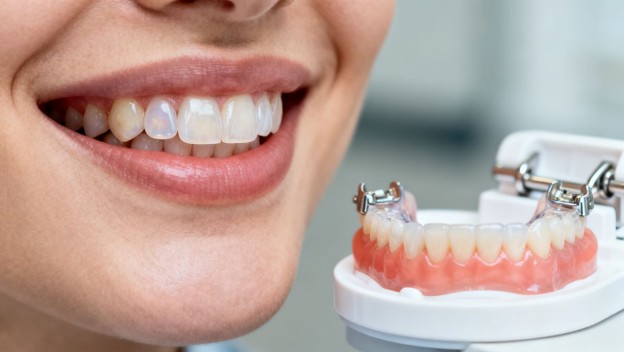
Understand How Each Tooth Replacement Option Works
Replacing a missing tooth is not just a cosmetic decision. The restoration also affects chewing, speech, the way nearby teeth meet, and how easily you can keep the area clean. A fixed bridge and a removable partial denture solve the same broad problem, but they do so in different ways. Understanding that difference makes the eventual choice less confusing, and it's a good topic to raise during a consultation.
What a Fixed Dental Bridge Is
A fixed dental bridge uses an artificial tooth, or several artificial teeth, held in place by support from neighboring teeth. Depending on the design, the supporting teeth may receive crowns or another type of attachment. Once cemented, the bridge stays in the mouth and is removed only by a dental professional.
Because the restoration is secured rather than taken out each day, it can feel more like part of your natural bite. The supporting teeth must be strong enough to carry the additional load, and your dentist will evaluate their structure before recommending this approach. You can learn more about this option on our crowns and bridges page.
What a Removable Partial Denture Is
A removable partial denture replaces one or more missing teeth and can be taken out for cleaning and sleeping, depending on your dentist's instructions. It typically rests against the gums and may use clasps or other connectors around remaining teeth for support.
A partial can be useful when a fixed restoration is not practical, when several teeth are missing, or when keeping treatment more adjustable matters. It may take a short period of practice before speaking and chewing feel natural, and the fit can be refined as you adapt. Our dentures page covers the range of options available.
How Both Options Replace Missing Teeth
Both restorations fill a gap so nearby teeth have less room to drift and so chewing is more balanced. Neither option recreates a natural tooth root, and neither should be chosen without considering the condition of the gums, remaining teeth, and bite.
The difference is mainly how the replacement receives support. A bridge relies on selected teeth and remains in place, while a partial denture uses a removable framework or base supported by the mouth and remaining teeth. Your dentist may also discuss how many teeth are missing and where the gap sits in the arch.
Where Implants Fit Into the Bigger Picture
Implants are another treatment category that may be discussed during a tooth-replacement consultation. They are placed in the jawbone and can support a crown, bridge, or denture, but they require a different evaluation and surgical process than the two options compared here.
Bone volume, gum health, general health, timing, and budget all influence whether implants belong in the plan. Even when an implant is not suitable or not desired, comparing a bridge with a partial denture can still lead to a practical, effective solution.
Compare a Fixed Bridge vs Removable Partial Denture
The fixed bridge vs removable partial denture decision often comes down to how each option fits your daily life. Stability, appearance, cleaning, and the condition of neighboring teeth all deserve attention. A restoration that looks appealing on paper may be less comfortable if it conflicts with your habits or oral health.
Try to compare the options as complete routines, not just as procedures. A consultation can make these differences more concrete by showing how each design would sit in your mouth. The best comparison is personal: the same restoration may feel very different for someone with strong supporting teeth than for someone with gum disease or limited dexterity.
Stability, Comfort, and Everyday Function
A fixed bridge generally offers a stable chewing surface because it is cemented in place. A removable partial can also function well, but it may move slightly during eating or speaking, especially if the fit or support is limited. Comfort depends on the design, the quality of the fit, and how your mouth responds over time.
| Fixed Bridge | Removable Partial Denture |
|---|---|
| Usually stays in place and is removed only by a dental professional | May shift slightly during use and is taken out by the wearer |
| Relies on neighboring prepared teeth for support | Relies on remaining teeth, gums, and its framework for support |
| Usually needs less frequent adjustment once settled | May need adjustments as fit changes over time |
This comparison is a starting point rather than a prediction. A well-designed partial may feel secure, while a bridge can become uncomfortable if its supporting teeth or surrounding gums develop problems.
Appearance, Speech, and Impact on Neighboring Teeth
A bridge is designed to remain in place and can provide a continuous appearance across the gap. A partial denture can also be made to blend with natural teeth, although clasps or the shape of the base may be visible in some situations. Speech may change briefly with either restoration as your tongue and cheeks adjust, and removable appliances sometimes feel more noticeable at first.
A fixed bridge depends on neighboring teeth for support, so those teeth may need preparation, making their strength and existing fillings, cracks, or decay especially relevant. A partial denture may place pressure on supporting teeth through clasps or other connectors, so those teeth also need careful evaluation.
Cleaning and Maintenance Requirements
Cleaning is different for each restoration. A bridge stays in the mouth, so you must clean beneath the artificial tooth and along the gumline. A partial denture needs to be removed and cleaned separately, while the remaining teeth and the tissues beneath it still require normal oral hygiene.
Daily care usually includes:
- Brushing the remaining natural teeth and gumline thoroughly
- Cleaning beneath a fixed bridge with an appropriate flossing aid or interdental brush
- Removing and cleaning a partial denture as directed
- Inspecting the mouth for sore spots, trapped food, or changes in fit
Consider Who Is a Good Candidate for Each Option
There is no universal winner in the fixed bridge vs removable partial denture comparison. Candidacy depends on the number and location of missing teeth, the health of the remaining teeth, gum condition, bite forces, and your ability to maintain the restoration. A fixed bridge may be reasonable when the missing teeth are next to strong, healthy teeth that can provide support. A removable partial denture may be more practical when several teeth are missing, when the gaps are in different parts of the mouth, or when a fixed bridge would require too much support from remaining teeth.
Healthy gums and stable remaining teeth improve the outlook for either restoration. Active gum disease, loose teeth, untreated decay, or poor home care may need attention before a bridge or partial is placed. Bone loss and medical conditions, medications, or a history of radiation or surgery can also affect timing and treatment choices, so share your complete medical history with your dental team.
Weigh the Costs, Timeline, and Treatment Process
Price is only one part of the decision. The number of appointments, preparation of supporting teeth, future repairs, and daily maintenance can alter the real value of either restoration. Ask for a written estimate that separates examination, imaging, temporary work, laboratory fees, placement, and follow-up.
Treatment for a fixed bridge commonly begins with an examination and planning appointment, preparation of supporting teeth, impressions or digital records, and a temporary restoration while the laboratory makes the bridge. A partial denture process usually includes an examination, impressions or scans, design planning, and one or more try-in appointments before the finished appliance is delivered.
A fixed bridge may have a higher initial cost since it can involve tooth preparation and laboratory work, while a partial denture may be more affordable upfront, though future relines or repairs can affect its total cost. Ask your insurer and our financial information page for details on coverage and payment options.
Look at the Advantages and Drawbacks
Both options can restore a gap, but neither is maintenance-free. A fixed bridge stays in place, usually feels stable during chewing, and does not require daily removal, but relies on neighboring teeth and requires cleaning underneath. A removable partial denture can replace several teeth in different areas and may avoid extensive preparation of individual neighboring teeth, but it may feel less secure and requires an adjustment period.
Poorly fitting or poorly maintained restorations can trap food, irritate the gums, or place unwanted forces on natural teeth. Regular examinations help detect these issues early. Do not ignore bleeding, persistent tenderness, a change in your bite, or increasing movement of the restoration.
Plan for Daily Care and Long-Term Results
Long-term results depend heavily on what happens between dental visits. Brush twice daily with attention to the gumline and the teeth supporting a bridge, cleaning beneath the artificial tooth with floss threaders, bridge floss, or an interdental brush. A removable partial should be rinsed after meals, brushed with a denture-cleaning brush and appropriate cleanser, and stored as directed so it does not dry out or become distorted.
Routine checkups let your dentist inspect the restoration, supporting teeth, gums, bite, and areas that are difficult to see at home. Contact our office if the restoration becomes loose, painful, sharp, difficult to insert, or suddenly different when you bite.
Use Your Priorities to Make the Final Decision
The best choice is usually the one that fits both your mouth and your life. Start with clinical suitability, then compare comfort, appearance, cost, time, and the daily routine each option requires. If you strongly prefer not to remove a restoration, a fixed bridge may better match your routine when the supporting teeth are appropriate. If easy removal and separate cleaning feel more convenient, a partial denture may be preferable.
A good consultation should leave you with a clear understanding of why one option suits your mouth. Ask which option is clinically suitable for your missing teeth and bite, what treatment must be completed first, how many visits and healing time to expect, and what the full cost will include. Visit our Meet Dr. Sasik page to learn more about our team before your visit.
Conclusion
Choosing between a fixed bridge and a removable partial denture is a personal decision guided by oral health, support, appearance, budget, and daily habits. A bridge may offer stability, while a partial may provide flexibility and easier removal. Once your dentist evaluates the missing teeth and surrounding tissues, you can weigh the practical differences with much more confidence. Contact our Plymouth office to schedule a consultation.
Frequently Asked Questions
Is a fixed bridge better than a removable partial denture?
Neither is automatically better. The appropriate option depends on the health of the supporting teeth and gums, the number and location of missing teeth, your bite, budget, and preference for a fixed or removable restoration.
How long does it take to get a fixed bridge?
Many bridge treatments require more than one appointment, with time for preparation, impressions or scans, laboratory fabrication, and final placement. Healing or other dental treatment can extend the schedule.
Can I sleep while wearing a removable partial denture?
Follow the instructions from your dentist. Many people are advised to remove a partial at night so the appliance and oral tissues can be cleaned and rested, but individual guidance may differ.
Will a removable partial denture affect my speech?
It can feel unfamiliar and may temporarily affect speech while your tongue and cheeks adjust. Practice, correct fit, and follow-up adjustments usually help improve comfort and clarity.
Do fixed bridges need special cleaning?
Yes. In addition to brushing, you need to clean beneath the artificial tooth and around the supporting teeth. Your dental team can recommend the best flossing aid or interdental brush for the design. According to the American Dental Association's MouthHealthy resource on bridges, a fixed bridge can only be removed by a dentist, so it's very important to keep your remaining teeth healthy and strong.
Can a bridge or partial denture be replaced later?
Both may eventually need repair, adjustment, or replacement because restorations and mouths change over time. The timing depends on hygiene, wear, support, fit, and the health of the remaining teeth.
What should I do before choosing a tooth replacement?
Have a dental examination and ask for a comparison of suitability, treatment steps, total cost, expected maintenance, and possible alternatives. Bring your medical history and explain which features matter most to you.
About the Author
Metropolitan Prosthodontics is located at 3455 Plymouth Blvd #250, Plymouth, MN 55447. The practice is led by Dr. Christopher Sasik, DDS, a graduate of the University of Minnesota School of Dentistry who completed three years of residency training in Prosthodontics and Maxillofacial Prosthetics at the Mayo Clinic/Mayo Graduate School of Medicine, providing crowns, bridges, dentures, dental implant restorations, and cosmetic dentistry to patients throughout Plymouth and the greater Minneapolis area.
Disclaimer
The information provided in this article is for educational purposes only and does not constitute professional dental advice, diagnosis, or treatment recommendations. Whether a fixed bridge or removable partial denture is right for you can only be determined through an in-person evaluation. Always consult your dentist with any questions regarding your treatment.
Blog Post Author

Contributed by DentalROI
DentalROI provides relevant dental content to help providers educate patients. The statements, services, and products referenced in this article have not been evaluated by the Food and Drug Administration, and they are not intended as a substitute for professional medical advice, diagnosis, or treatment. Always seek the advice of your dental provider with any questions or issues you may have. Specific recommendations may vary in different circumstances, so individual consultation is important.
