Full Arch Dental Implants: Restoring a Complete Smile
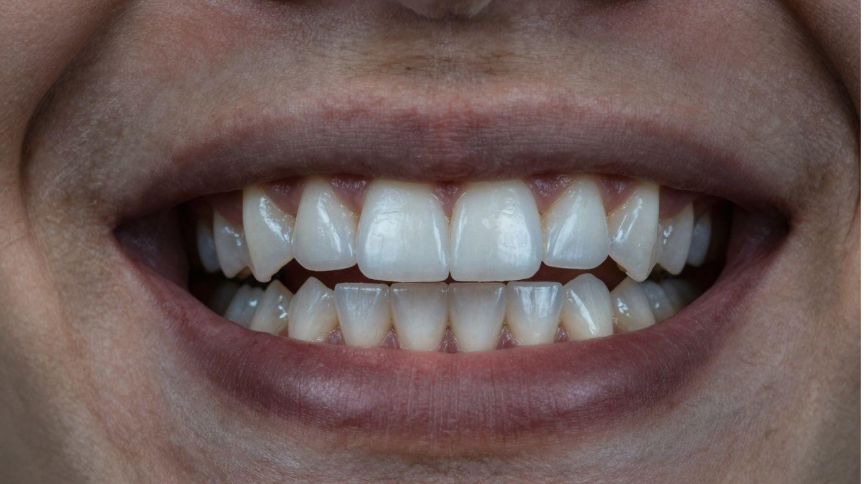
Losing teeth can affect your ability to eat, speak, and smile with confidence. Full arch dental implants offer a stable, natural-looking solution for replacing an entire row of missing teeth, going beyond traditional dentures.
Key Takeaways
- Full arch dental implants replace an entire row of teeth using four to six implants as anchors.
- Implants are titanium posts surgically placed into the jawbone, fusing over time to provide a strong foundation.
- Temporary teeth may be placed immediately after surgery, with permanent teeth fitted after healing.
- Benefits include improved chewing, better bone health, and a natural appearance compared to dentures.
- While an investment, full arch implants offer a long-lasting solution for extensive tooth loss.
What Is a Full Arch Dental Implant?
A full arch dental implant replaces all or most teeth in one jaw (upper or lower). Unlike traditional dentures that rest on the gums, implants are anchored into the jawbone, acting like artificial tooth roots. This provides a stable foundation for a full set of replacement teeth.
An "arch" refers to the entire row of teeth in either the upper or lower jaw. Full arch implants restore both function and appearance for individuals with multiple missing or severely damaged teeth.
How Full Arch Implants Work
Full arch implants use a smaller number of strategically placed implants (usually 4–6) to support a full set of teeth:
- Initial Planning: Detailed scans and images determine the optimal placement.
- Implant Placement: Titanium posts are surgically inserted into the jawbone.
- Healing (Osseointegration): The implants fuse with the bone over several months.
- Abutment Attachment: Connectors are placed on the healed implants.
- Prosthesis Placement: Custom-made replacement teeth are secured to the implants.
This approach provides stability, prevents bone loss, and allows replacement teeth to feel and function like natural ones.
Who Is a Good Candidate?
Full arch implants are suitable for individuals with significant tooth loss or unstable dentures who want a permanent, natural-feeling solution. Key factors include:
- Sufficient jawbone density to anchor implants
- Good overall oral and general health
- Realistic expectations about the procedure and healing process
Bone grafting may be considered if jawbone quality is insufficient. A dental professional can evaluate whether full arch implants are appropriate for your situation.
The Treatment Process
- Consultation & Planning: Comprehensive examination and 3D imaging.
- Implant Surgery: Titanium posts are inserted into the jawbone.
- Healing (Osseointegration): Temporary teeth may be worn while implants fuse with the bone over a few months.
- Abutment Placement: Connectors are attached to the healed implants.
- Final Restoration: Custom full arch teeth are secured to the implants.
Regular follow-ups ensure proper healing and a successful outcome.
Benefits of Full Arch Dental Implants
- Stability & Comfort: Unlike dentures, implants stay firmly in place.
- Jawbone Preservation: Prevents bone loss and maintains facial structure.
- Natural Appearance: Replacement teeth look and feel like real teeth.
- Durability: Implants can last many years, often a lifetime, with proper care.
- Improved Eating & Speech: Enjoy a wider variety of foods comfortably.
Making the Right Choice
Full arch implants, including procedures like All-on-4 or implant-supported dentures, are a reliable solution for replacing a full row of teeth. They provide function, aesthetics, and long-term oral health benefits. Consultation with a dentist or prosthodontist will determine if this treatment is the best fit for your needs.
Frequently Asked Questions
What is a full arch dental implant?
It is a method of replacing all teeth in the upper or lower jaw using 4–6 strategically placed implants as anchors for a full set of artificial teeth.
How do full arch implants work?
Implants are surgically placed into the jawbone. Temporary teeth may be attached immediately, while permanent teeth are fitted after the implants fuse with the bone over several months.
Who is a good candidate?
People missing most or all teeth who want a stable, natural-feeling replacement. Bone quality and overall health are considered to determine candidacy.
What are the benefits compared to dentures?
Implants are more stable, preserve jawbone health, feel and function like natural teeth, and improve comfort and confidence when eating and speaking.
Can I get temporary teeth right after surgery?
Yes, temporary teeth can often be attached immediately after surgery while the implants heal.
How long do full arch dental implants last?
With proper care and regular dental visits, they can last for many years, often a lifetime.
`
Blog Post Author

Contributed by DentalROI
DentalROI provides relevant dental content to help providers educate patients. The statements, services, and products referenced in this article have not been evaluated by the Food and Drug Administration, and they are not intended as a substitute for professional medical advice, diagnosis, or treatment. Always seek the advice of your dental provider with any questions or issues you may have. Specific recommendations may vary in different circumstances, so individual consultation is important.
