
How Long After Teeth Whitening Can I Eat Normally
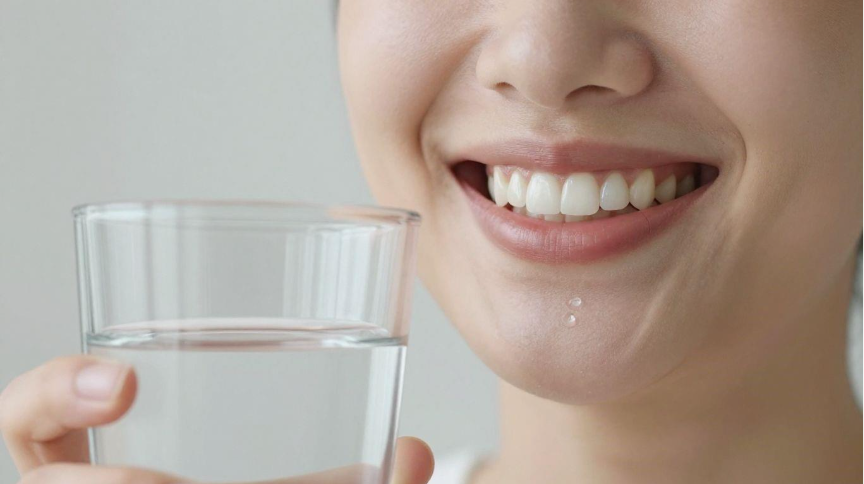
Getting your teeth whitened can really make your smile pop. But after you've had the treatment done, you might be wondering about your next meal. How long after teeth whitening can I eat normally? It's a common question, and the answer involves a little bit of patience to keep those pearly whites looking their best. For those asking how long after zoom teeth whitening can I eat normally, or just generally how long until I can eat normally after teeth whitening, there are some guidelines to follow.
Key Takeaways
- After teeth whitening, teeth are more sensitive and prone to staining for about 48 hours.
- During the initial 48-72 hours, stick to a 'white diet' and avoid deeply colored foods and drinks.
- You can usually eat normally after 48-72 hours, but it's wise to still be cautious with staining foods.
- Water is safe to drink immediately after whitening.
- If you accidentally consume a staining food, rinse your mouth with water right away and brush gently later.
Why Teeth Are More Sensitive and Stain-Prone After Whitening
After you've had your teeth whitened, they become a bit more sensitive and, honestly, more likely to pick up new stains. Think of it like this: the whitening process works by opening up tiny pores in your tooth enamel to get rid of stains. This is great for making your teeth brighter, but it also means your teeth are temporarily more porous. This temporary porosity is why your teeth are more susceptible to absorbing pigments from food and drinks.
This also means that the nerves inside your teeth can be a little more exposed. That's why you might notice that hot or cold foods and drinks feel more intense for a little while. It's not usually a big deal, but it's something to be aware of. The good news is that this sensitivity usually calms down pretty quickly as your enamel starts to recover and those little pores begin to close back up.
The first 24 to 72 hours after whitening are the most important time for your teeth to rehydrate and for the enamel to start sealing itself again. During this period, being careful about what you eat and drink can make a big difference in how long your results last and how comfortable you feel.
The First Few Hours: What to Do Immediately After Whitening
So, you've just had your teeth whitened and you're admiring that brighter smile. That's awesome! But hold on a sec before you reach for that cup of coffee or that colorful snack. For the first few hours right after your whitening treatment, your teeth are kind of like a freshly painted wall – they need a little time to set.
During the whitening process, the tiny pores on your tooth enamel open up. This is how the bleaching agent gets in to lift stains. Because these pores are open, your teeth are super sensitive and more likely to pick up new colors. Think of it as a critical window where your teeth are most vulnerable to staining.
So, what's the game plan immediately after? It's all about being gentle and avoiding anything that could undo your hard work. This means steering clear of anything that has a strong color or could potentially stain.
- Hydration is Key: Sip on plain water. It's your best friend right now. It helps rinse your mouth without adding any color.
- Avoid the Usual Suspects: This is not the time for coffee, tea, red wine, dark sodas, or anything with artificial coloring. Seriously, if it would stain a white t-shirt, it'll probably stain your teeth.
- Keep it Bland: Stick to foods that are light in color. We're talking about things like plain rice, white bread, or maybe some plain yogurt if you're feeling peckish.
The goal in these initial hours is to let your enamel start to recover. By being mindful of what touches your teeth, you're giving your whitening treatment the best possible chance to last.
Your teeth might also feel a bit sensitive. This is normal and usually fades within a day or two. Just take it easy, and you'll be back to enjoying your favorite foods before you know it.
The 24–48 Hour Window: Eating Carefully While Teeth Rehydrate
After your teeth whitening treatment, your enamel is a bit like a sponge – it's more open and ready to absorb things, which is great for getting rid of stains, but not so great for keeping your teeth white if you're not careful. For the first 24 to 48 hours, your teeth are still rehydrating and their natural defenses are rebuilding. This is why sticking to a "white diet" is so important during this time.
Think of it this way: the whitening process opens up tiny pores in your enamel. While these pores will eventually close up as your teeth rehydrate and remineralize, they are temporarily more susceptible to picking up new colors. This is the most critical period for protecting your newly brightened smile.
During these two days, your teeth might also feel a bit more sensitive. This is normal and usually subsides as the enamel recovers. Avoiding foods and drinks that are highly pigmented or acidic helps not only prevent staining but also reduces the chance of irritating your teeth.
- Lean Proteins: Opt for white fish, chicken, or turkey breast (without the skin). Egg whites and tofu are also good choices.
- Grains: Plain white rice, white pasta (with light-colored sauces like Alfredo), and white bread are safe bets.
- Dairy: Plain or vanilla yogurt, milk, and white cheeses are excellent options.
- Fruits & Veggies: Bananas, peeled apples, cauliflower, and white mushrooms are generally safe.
- Beverages: Water is your best friend. Clear, non-alcoholic drinks and coconut water are also fine.
It's really about being mindful of what touches your teeth. If a food or drink has a strong color, it's best to steer clear for now. This temporary caution pays off big time in the long run for maintaining your results.
While it might seem restrictive, this phase is temporary. By being diligent now, you're setting yourself up for a longer-lasting, brighter smile. It’s a small effort for a significant reward.
Foods and Drinks That Are Safest Right After Whitening
After your teeth whitening treatment, your smile is looking brighter, but your teeth are also a bit more sensitive and prone to picking up stains. So, what can you actually eat? The good news is you don't have to starve yourself. Focusing on light-colored foods is the key during this initial period. Think of it as a "white diet" for a couple of days. This helps your teeth rehydrate and lets those enamel pores close up, locking in that fresh whiteness.
The general rule of thumb is to stick to foods that are pale in color for at least the first 48 hours. This is when your teeth are most vulnerable. If you're wondering how long after teeth whitening can I eat normally, the answer is usually after this initial 48-72 hour window, but being careful with your food choices is important even then.
- Proteins: White fish (like cod or tilapia), chicken or turkey breast (without skin), egg whites, tofu, and white cheeses (like mozzarella or provolone) are excellent choices. Plain yogurt (vanilla is okay if it's white) and cottage cheese are also good.
- Grains and Starches: Plain white rice, white pasta (with a light, creamy sauce, not tomato!), white bread, plain bagels, and peeled potatoes are all safe options.
- Fruits and Vegetables: Bananas, peeled apples, pears, cauliflower, white onions, and peeled cucumbers are good choices. Stick to the lighter colored ones.
- Beverages: Water is your best friend! Sparkling water is fine too. Milk and clear, non-alcoholic beverages are also safe.
- Snacks and Desserts: Plain popcorn (hold the butter and caramel), vanilla ice cream, and rice cakes can satisfy a craving without compromising your results.
Remember, the goal is to avoid anything that could potentially stain a white t-shirt. If it's dark or brightly colored, it's best to steer clear for now. This careful eating plan is vital for anyone asking how long after zoom teeth whitening can i eat normally or how long until i can eat normally after teeth whitening.
If you're experiencing sensitivity, you might also want to avoid extremely hot or cold foods, even if they are on the safe list, until that subsides. This temporary dietary adjustment is a small price to pay for a brighter smile, and it helps answer the question of when can I eat normally after teeth whitening by giving your teeth the best chance to stay bright.
Foods and Drinks to Temporarily Avoid—and Why
After your teeth whitening treatment, your enamel is more open to absorbing colors, making it a prime time for staining. Think of it like a fresh coat of paint on a house – it needs time to set before it can withstand the elements. For the first 48 hours, it's best to steer clear of anything that could potentially leave a mark.
The main culprits are deeply colored foods and drinks, as well as anything acidic. These can easily seep into the pores of your enamel, undoing some of the hard work the whitening process just did. It's not just about the color; acidity can also make your teeth more sensitive during this recovery period.
- Dark Beverages: Coffee, tea (black, green, and even some herbal ones), red wine, dark sodas, and dark fruit juices like grape or cranberry are major staining agents. Even white wine, while lighter in color, is acidic and should be avoided.
- Brightly Colored Foods: Think berries, cherries, beets, and anything with strong natural dyes like turmeric or tomato sauce. Dark chocolate and even some brightly colored vegetables fall into this category.
- Acidic Foods and Drinks: This includes citrus fruits and their juices, tomatoes, and anything with vinegar. These can increase sensitivity and make your teeth more susceptible to staining.
- Sauce-Heavy Meals: Dark sauces like soy sauce, balsamic, marinara, and ketchup can easily transfer color to your teeth.
The general rule of thumb is: if it could stain a white t-shirt, it will likely stain your newly whitened teeth. It's a simple way to remember what to avoid during this sensitive time.
Why is this so important? The whitening process makes your teeth temporarily more porous. This allows the whitening agents to reach deeper stains, but it also means they can pick up new colors more easily. Giving your teeth a chance to rehydrate and their pores to close up is key to maintaining those bright results.
Wrapping Up Your Post-Whitening Diet
So, to sum things up, after you've had your teeth whitened, it's really important to be a bit careful about what you eat and drink for at least the first 48 hours. Think of it as giving your teeth a little recovery time. Sticking to lighter-colored foods and avoiding those really dark, staining culprits like coffee, red wine, and dark berries will make a big difference in how long your bright smile lasts. While it might seem like a hassle for a couple of days, the effort is totally worth it for those dazzling results. If you're ever unsure or notice any issues, don't hesitate to reach out to your dental team for advice. Contact Metropolitan Prosthodontics today to learn how to maintain your teeth whitening results and keep your smile brighter for longer.
Frequently Asked Questions
Why do my teeth feel more sensitive and stain easily after whitening?
After teeth whitening, the tiny openings in your tooth enamel are temporarily more exposed. Think of it like your teeth taking a deep breath and opening up a bit. This makes them more likely to pick up colors from food and drinks, and also more sensitive to hot, cold, or even certain tastes.
What should I eat right after my teeth whitening treatment?
For the first 24 to 48 hours, it's best to stick to light-colored foods and drinks. Good choices include plain yogurt, white fish, chicken breast, rice, clear broths, and water. These won't add new colors to your teeth while they're recovering.
How long do I need to avoid staining foods and drinks?
Most dentists recommend avoiding deeply colored foods and drinks for at least 48 hours after whitening. Some even suggest extending this period to 72 hours for the best results. After this initial time, you can slowly start reintroducing colored items, but it's wise to be cautious for about a week.
Can I drink coffee or tea after teeth whitening?
It's best to avoid coffee and tea for the first 48 hours after whitening. If you absolutely must have them after that period, try drinking them through a straw to minimize contact with your teeth. Rinsing your mouth with water immediately afterward also helps.
What if I accidentally eat or drink something I shouldn't?
Don't panic! If you accidentally consume a staining food or drink, rinse your mouth with water right away. You can brush your teeth gently about 30 to 60 minutes later. One small slip-up probably won't ruin your results, especially if you get back on track with your diet afterward.
When can I eat normally again after teeth whitening?
You can usually start eating normally again after about 48 to 72 hours. However, to keep your smile bright for longer, it's a good idea to continue being mindful of staining foods and drinks for up to a week or even longer. Think of it as giving your newly whitened teeth the best chance to stay that way.
Blog Post Author

Contributed by DentalROI
DentalROI provides relevant dental content to help providers educate patients. The statements, services, and products referenced in this article have not been evaluated by the Food and Drug Administration, and they are not intended as a substitute for professional medical advice, diagnosis, or treatment. Always seek the advice of your dental provider with any questions or issues you may have. Specific recommendations may vary in different circumstances, so individual consultation is important.
