
How to Care for Dentures: Daily Cleaning & Maintenance Tips
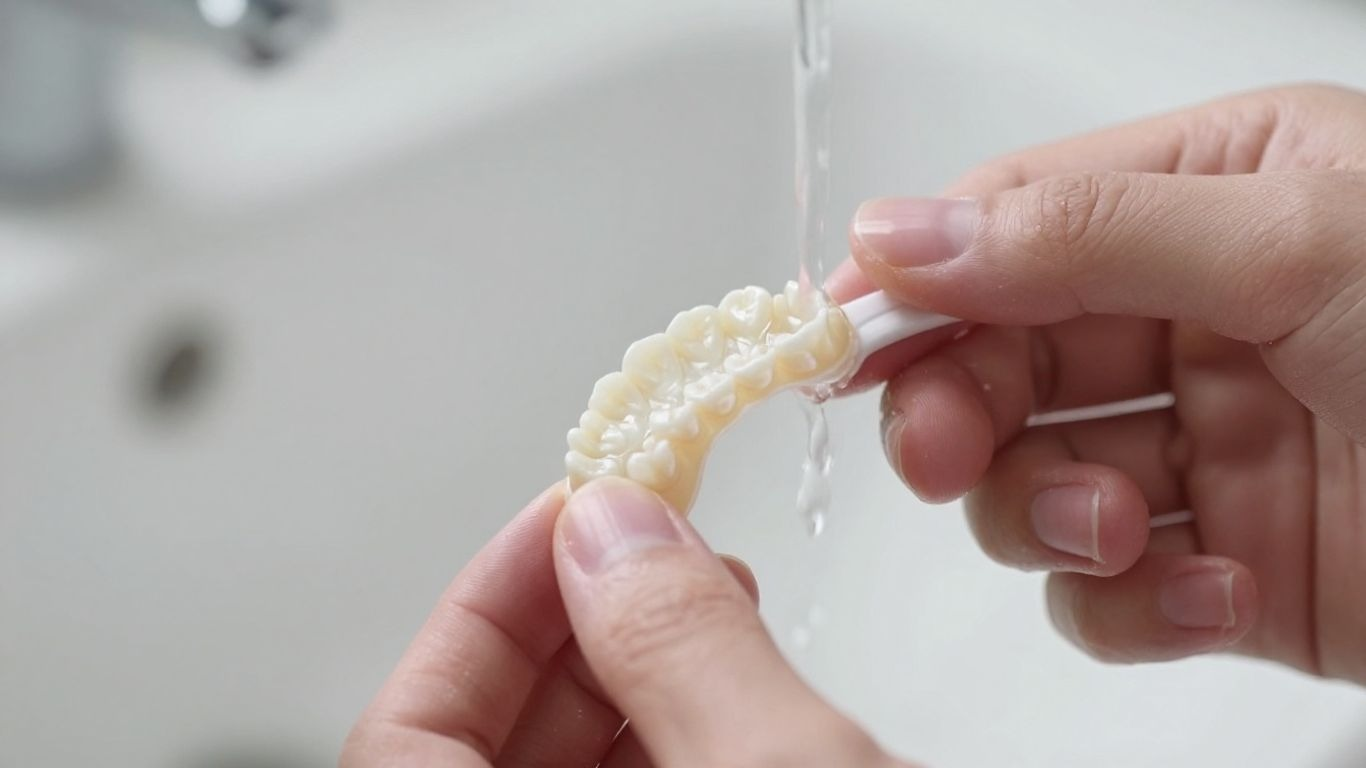
Taking care of your dentures is pretty important if you want them to last and keep your smile looking good. It's not super complicated, but you do need to get into a routine. We'll go over the basics here, from what to do every day to what to watch out for, so your dentures stay comfortable and functional.
Key Takeaways
- Clean your dentures every single day, just like you would your natural teeth, to get rid of food bits and plaque.
- Always use a soft brush and a special denture cleaner; regular toothpaste is too harsh and can scratch them.
- Handle your dentures carefully, especially over a sink with water or a towel underneath, in case you drop them.
- Never use hot water to clean or soak your dentures, as it can cause them to warp and lose their shape.
- See your dentist regularly for check-ups, professional cleanings, and to make sure your dentures still fit well.
How to Care for Dentures the Right Way?
So, you've got dentures. Awesome! They help you eat, talk, and flash that smile without a second thought. But just like anything you want to last, they need a little TLC. Learning how to care for dentures properly is super important, not just for keeping them looking good, but for your overall mouth health too. Think of it like this: neglecting them can lead to all sorts of annoying issues, from sore gums to just not feeling fresh. Let's get into the nitty-gritty of keeping your dentures in top shape.
What happens if you don't clean your dentures daily?
Honestly, skipping daily cleaning is a recipe for trouble. Your dentures, even though they aren't real teeth, can still collect food bits, plaque, and bacteria. If you let that stuff hang around, you're basically inviting problems. You might notice your breath isn't as fresh as it could be, or worse, you could end up with irritated gums or even infections. It's kind of like not washing your dishes – things start to get pretty gross and unhealthy.
Here's a quick rundown of what can happen:
- Bad Breath: Food particles and bacteria build-up are the main culprits.
- Gum Irritation and Sores: Plaque and bacteria can irritate the soft tissues in your mouth.
- Increased Risk of Infections: A dirty mouth is a breeding ground for all sorts of unwanted guests.
- Denture Stains and Buildup: Over time, stains can set in, and plaque can harden, making your dentures look less than ideal.
It's really not that complicated. A little bit of daily effort goes a long way in preventing a whole lot of potential headaches down the road. Your mouth and your dentures will thank you for it.
How to Clean Dentures Daily — Step-by-Step Guide
So, you've got dentures, huh? It's not super complicated, but you do need to get into a routine to keep them clean and your mouth happy. Think of it like brushing your real teeth, but for your dentures. The best way to clean dentures at home involves a few simple steps every single day.
What is the best way to clean dentures at home?
First off, remember that even though they aren't real teeth, dentures can still collect food bits, plaque, and bacteria. If you don't clean your dentures daily, you might end up with stinky breath or sore gums. Nobody wants that!
Here’s a straightforward plan for how to clean dentures daily:
- Rinse after meals: As soon as you can after eating, take your dentures out and give them a good rinse under cool or lukewarm running water. This gets rid of any loose food particles before they get stuck.
- Brush them: Once a day, usually before you hit the hay, it's time for a proper brushing. Grab a soft-bristled brush (a denture brush is ideal, but a soft toothbrush works too) and a non-abrasive denture cleaner. Gently brush all surfaces of your dentures. Make sure to get into any grooves or edges. Avoid using regular toothpaste, as it can be too harsh and scratch up your dentures over time.
- Clean your mouth: Don't forget about your gums, tongue, and the roof of your mouth! Use a soft toothbrush or a damp washcloth to gently clean these areas every morning. This helps keep your mouth feeling fresh and healthy.
- Rinse again: Before you pop your clean dentures back in, give them another good rinse under running water to wash away any leftover cleaner.
Storing your dentures properly is also a big deal. Never let them dry out completely. When you're not wearing them, keep them submerged in cool water or a denture soaking solution. Dry dentures can warp and won't fit right anymore.
It might seem like a lot at first, but this routine becomes second nature pretty quickly. Keeping up with this daily cleaning is key to making sure your dentures last and your mouth stays comfortable.
Best Denture Cleaning Tips for Long-Lasting Results
So, you've got dentures and want them to stick around for a while, looking and feeling good? It's not rocket science, but there are definitely some smart ways to go about it. Think of these as the insider secrets for keeping your smile in top shape.
First off, let's talk about what not to use. Forget your regular toothpaste and a stiff-bristled toothbrush. Those things are way too harsh for denture material. They can actually scratch up the surface, making them a magnet for gunk and bacteria. We're talking about specialized denture cleansers and soft brushes here. They get the job done without the damage.
Here are some top-notch denture cleaning tips to keep in mind:
- Daily Brushing: Just like your natural teeth (if you had them!), dentures need a good scrub every single day. Aim for at least once a day, ideally before you hit the hay. Get into all the nooks and crannies.
- Rinse, Rinse, Rinse: Always rinse your dentures after you eat. Seriously, even if it's just a snack. This gets rid of loose food bits before they get cozy.
- Soaking is Key: When you're not wearing them, don't just leave them out to dry. Pop them in a container with cool water or a special denture soaking solution. This keeps them from warping and losing their shape. Never use hot water; it can seriously mess them up.
- Handle with Care: Dentures can be a bit fragile. Try to handle them over a folded towel or a sink filled with water. That way, if you drop them, they won't take a direct hit.
Keeping your dentures clean isn't just about looks; it's about preventing problems like gum irritation and infections. A little daily effort goes a long way in keeping your mouth healthy and your dentures functional.
And hey, don't forget about your mouth itself! While your dentures are soaking, give your gums, tongue, and the roof of your mouth a gentle brush with a soft toothbrush. It helps with circulation and keeps things fresh. If you have any natural teeth left, keep those clean with fluoride toothpaste too.
Complete Denture Maintenance Guide You Should Follow
How Often Should Dentures Be Professionally Cleaned?
While you're doing the daily scrub at home, think of your dentist as the expert detailer for your dentures. They can get to spots you might miss and spot issues before they become big problems. Most dentists recommend a professional cleaning and check-up about once or twice a year. This isn't just about making them sparkle; it's about making sure they still fit well and aren't causing any irritation to your gums or mouth.
Here’s what happens during a professional visit:
- Deep Cleaning: Your dentist has special tools to remove stubborn plaque and tartar buildup that home brushing can't tackle.
- Fit Check: Your mouth changes over time, and your dentures need to keep up. They'll check if your dentures are still fitting snugly and comfortably.
- Oral Health Exam: They'll look at your gums and mouth for any signs of irritation or other issues that might be related to your dentures.
- Denture Inspection: They'll check your dentures for any wear and tear, like tiny cracks or chips, that could cause problems.
Don't try to fix loose or uncomfortable dentures yourself by adding sticky stuff or trying to bend them. This can often make things worse and damage the dentures. Always let your dentist handle adjustments.
What to Do Between Professional Cleanings
- Handle with Care: Always take your dentures out over a folded towel or a sink filled with water. Dropping them can cause damage, and a soft landing can save the day.
- Avoid Hot Water: Never use hot or boiling water to clean or soak your dentures. It can warp the material, messing up the fit.
- Store Them Right: When you're not wearing them, keep your dentures moist. Soak them in a denture solution or plain water. Letting them dry out can cause them to warp.
- Keep Your Mouth Clean: Even without natural teeth, your gums, tongue, and palate need cleaning. Gently brush them with a soft brush and rinse your mouth daily. This helps prevent irritation and keeps your mouth healthy.
Common Denture Care Mistakes to Avoid
Alright, let's talk about the things you really shouldn't do with your dentures. It's easy to mess these up, and trust me, it can lead to a whole lot of trouble.
First off, don't ever use regular toothpaste or a stiff-bristled brush on your dentures. Toothpaste is made to scrub teeth, and it's way too abrasive for the plastic and acrylic of your dentures. You'll end up scratching them up, which can make them look dull and even harbor more bacteria. A soft-bristled denture brush is your best friend here.
Another big no-no is using hot or boiling water. Seriously, avoid it like the plague. That heat can warp the material of your dentures, messing up the fit. Imagine your perfectly fitted dentures suddenly feeling all wrong – not fun. Stick to lukewarm water for cleaning and soaking.
Here are a few more things to steer clear of:
- Ignoring your mouth: Just because you have dentures doesn't mean you can skip cleaning your gums, tongue, and the roof of your mouth. You still need to brush these areas daily to keep things healthy and prevent irritation.
- Letting them dry out: When you're not wearing your dentures, they need to stay moist. Storing them dry can cause them to warp and lose their shape, which means they won't fit right anymore.
- Trying DIY repairs: If something breaks or feels off, don't try to fix it yourself with super glue or a kit from the store. You're more likely to cause permanent damage. Call your dentist instead.
It's also super important to remember that your dentures aren't indestructible. Dropping them, even just a short distance, can cause them to crack or break. Always handle them carefully, maybe over a folded towel or a sink filled with a little water, just in case.
Finally, don't forget about your regular dental check-ups. Your dentist needs to check on your gums and make sure your dentures are still fitting correctly. Your mouth can change over time, and what fit perfectly a year ago might need an adjustment now.
Keep That Smile Shining!
So, taking care of your dentures might seem like a lot at first, but it really just comes down to a few simple habits. Clean them every day, handle them gently, and don't forget to see your dentist regularly. Doing these things will help your dentures last a long time and keep your mouth feeling good. It's all about keeping that smile looking and feeling its best, so you can keep on enjoying life.
Frequently Asked Questions
Why is it important to clean my dentures every day?
Even though dentures aren't real teeth, they can still collect food bits, germs, and plaque. Not cleaning them daily can lead to yucky smells and sore gums.
What's the best way to clean dentures at home?
After you eat, rinse your dentures. Then, brush them gently every day with a special soft denture brush and a cleaner made for dentures. Don't use regular toothpaste because it's too rough and can scratch them.
Can I use hot water to clean my dentures?
Never use hot or boiling water! It can make your dentures warp and not fit right anymore. Always use lukewarm water.
What should I do if my dentures feel uncomfortable or cause soreness?
A little soreness at first is normal, but if it keeps hurting, don't try to fix it yourself. Rinse your mouth with warm salt water and call your dentist. They can adjust them for a better fit.
How often do I need to see a dentist about my dentures?
It's a good idea to see your dentist about once a year for a check-up. This helps make sure your dentures still fit well and your mouth stays healthy. Go sooner if you notice any problems.
How long do dentures usually last?
With good care, most dentures can last about 5 to 10 years. Your mouth can change over time, so you might need adjustments or a new set after a while.
Blog Post Author

Contributed by DentalROI
DentalROI provides relevant dental content to help providers educate patients. The statements, services, and products referenced in this article have not been evaluated by the Food and Drug Administration, and they are not intended as a substitute for professional medical advice, diagnosis, or treatment. Always seek the advice of your dental provider with any questions or issues you may have. Specific recommendations may vary in different circumstances, so individual consultation is important.
