Palatal Prosthesis: A Custom Solution After Oral Surgery
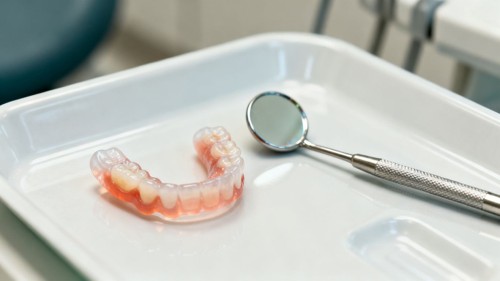
A palatal prosthesis is a custom-made oral appliance that helps restore or support part of the roof of the mouth after tissue has been lost, altered, or repaired by surgery. Depending on a person's anatomy and needs, it may help separate the mouth and nasal cavity, support speech, or make swallowing more comfortable. At Metropolitan Prosthodontics in Plymouth, Dr. Christopher Sasik — a member of the Cleft and Craniofacial Program at Children's Hospital in Minneapolis — designs these appliances through our Maxillofacial Prosthodontics service.
When This Device Is Needed After Surgery
A palatal prosthesis may be considered after surgery for a tumor, trauma, severe infection, or another condition that changes the structure of the palate. Some people need a temporary appliance while tissues heal; others may need a longer-term device when surgery cannot fully restore the separation between the oral and nasal spaces. The goal is not simply to cover an opening, but to improve everyday functions while respecting healing tissue and the limits of the remaining anatomy.
The need can become noticeable through nasal air escape during speech, voice changes, difficulty keeping food or liquid out of the nose, or a sense that the mouth no longer works as it once did. Our team examines the surgical area, reviews symptoms, and helps decide whether a prosthesis is appropriate — similar symptoms can have different causes and may call for speech therapy or another approach.
What Is a Palatal Obturator?
If you are wondering what a palatal obturator is, it's a prosthetic device designed to close or cover a palatal opening. It can replace missing tissue in a way that helps separate the oral and nasal cavities, making speech and swallowing easier for some patients. The appliance is shaped around the person's anatomy and may be removable so the mouth can be cleaned and the healing area can be examined.
An obturator can be especially useful when an opening remains after oral or maxillofacial surgery. Its fit may change as swelling decreases, tissues mature, or the surgical area is revised, so follow-up appointments are part of the treatment rather than an optional extra. Our prosthodontist may coordinate with the surgeon and a speech-language pathologist to balance comfort, retention, hygiene, and function.
How It Differs From Other Prosthetics
The word "prosthesis" describes a broad group of devices, while an obturator refers more specifically to an appliance that closes or fills an opening. A palatal lift, by contrast, is intended to assist movement or contact of an existing soft palate when the tissue is present but does not move adequately. These devices can look similar to a casual observer, but their purposes and designs are not interchangeable.
| Device Type | Main Structural Situation | Typical Functional Aim |
|---|---|---|
| Palatal obturator | An opening or missing palatal tissue | Separate oral and nasal spaces |
| Palatal lift | Existing soft-palate tissue with limited movement | Support closure during speech or swallowing |
| Surgical repair | Tissue that may be repaired or reconstructed | Restore anatomy directly |
A device should be selected for the underlying problem, not just the symptom that brought someone to the clinic. In some cases, a prosthesis works alongside surgery or speech therapy rather than replacing either one — changes in comfort, speech, or swallowing should be reported rather than managed by forcing the appliance into place.
Palatal Prosthesis for Cleft Palate
A palatal prosthesis for cleft palate may be considered when an opening, residual gap, or functional limitation affects speech, feeding, or oral hygiene. Treatment depends on age, growth, previous repairs, current anatomy, and the recommendations of the cleft-care team. For infants and children, the plan also has to account for feeding development and changes in the mouth as the child grows. Adults with a repaired cleft may have different needs, particularly if a small opening or speech-related concern remains.
The appliance is not a substitute for a complete cleft-palate assessment. A surgeon, prosthodontist, speech-language pathologist, and orthodontist may each contribute to the plan, considering whether the concern comes from a structural gap, limited movement, dental changes, or a combination of factors.
Getting Fitted for a Palatal Prosthesis
Getting fitted for a palatal prosthesis usually begins with a detailed examination and a conversation about your surgery, symptoms, goals, and daily routine at our Plymouth office. A prosthodontist like Dr. Sasik may inspect the palate, teeth, gums, and surrounding tissues, then take impressions when the site is ready. In some situations, a temporary device is made first so the team can learn how you respond before refining the design.
The process can take more than one visit. Healing, swelling, tooth position, and available support all influence the final fit. Mention gagging, dry mouth, tenderness, allergies, and problems with speaking or eating — small details can make a difference in the next adjustment. A fitting appointment may involve examination, impressions or scans, a trial appliance, and instructions for inserting and removing the device. Before leaving, ask about a few practical points:
- How long to wear the appliance at first and how quickly to increase wear time
- Which foods and drinks may be easier during the adjustment period
- How to clean the appliance and where to store it overnight
- Which signs mean the device should be removed and the office contacted
Caring for Your Palatal Prosthesis Long-Term
Long-term care begins with gentle cleaning and regular inspection. Rinse the appliance after meals when possible, clean it per your clinician's instructions, and avoid hot water if heat could distort its shape. According to the American Academy of Maxillofacial Prosthetics, obturator treatment typically moves through immediate, transitional, and definitive phases — the transitional phase often begins 10 to 14 days after surgery and can extend from 2 to 24 months.
The mouth should be checked as carefully as the appliance. Redness, sores, bleeding, swelling, a cracked component, or a sudden change in retention deserves a call to our office. Do not file, bend, glue, or repair the device at home; a minor-seeming alteration can change pressure on delicate tissues or make the fit less stable.
Conclusion
A palatal prosthesis can offer practical support when surgery, a cleft palate, or another change in oral anatomy affects speech, feeding, or separation between the mouth and nose. The right device depends on the underlying problem and should be fitted, adjusted, and monitored by a qualified care team, becoming a useful part of a broader plan for comfort and function.
Frequently Asked Questions
What is a palatal prosthesis?
A palatal prosthesis is a custom oral appliance made to support or replace part of the palate and improve functions such as speech, swallowing, or separation between the mouth and nasal cavity.
What is a palatal obturator used for?
A palatal obturator is generally used to close or cover an opening in the palate. By helping separate the oral and nasal spaces, it may support clearer speech or more controlled swallowing.
Is a palatal prosthesis permanent?
It may be temporary, long-term, or periodically replaced. The expected duration depends on healing, growth, changes in anatomy, treatment plans, and how well the appliance continues to fit.
Can a palatal prosthesis help with speech?
It may improve the physical separation needed for speech when a structural palatal opening or related problem affects airflow. Speech therapy may still be recommended to build new coordination and sound patterns.
How should a palatal prosthesis be cleaned?
Follow the treating clinician's cleaning instructions, usually involving gentle rinsing and brushing with suitable materials. Avoid hot water or household chemicals unless the care team specifically approves them.
About the Author
Metropolitan Prosthodontics is located at 3455 Plymouth Blvd #250, Plymouth, Minnesota. The practice is led by Dr. Christopher Sasik, DDS, who completed his undergraduate studies at Gustavus Adolphus College and earned his Doctor of Dental Surgery degree from the University of Minnesota. He completed three years of residency at the Mayo Clinic/Mayo Graduate School of Medicine in the division of Prosthodontics and Maxillofacial Prosthetics, and is a member of the Cleft and Craniofacial Program at Children's Hospital in Minneapolis. Dr. Sasik is a member of the Minnesota Dental Association, the Academy of Osseointegration, the American College of Prosthodontists, the American Academy of Maxillofacial Prosthetics, and the American Dental Association.
Medical Disclaimer
The information provided in this article is for educational purposes only and does not constitute professional medical or dental advice, diagnosis, or treatment. Whether a palatal prosthesis is appropriate can only be determined through an in-person clinical evaluation. Always seek the advice of your dentist, prosthodontist, or other qualified health provider with any questions regarding a surgical or dental condition. Never disregard professional advice or delay in seeking it because of something you have read here.
Blog Post Author

Contributed by DentalROI
DentalROI provides relevant dental content to help providers educate patients. The statements, services, and products referenced in this article have not been evaluated by the Food and Drug Administration, and they are not intended as a substitute for professional medical advice, diagnosis, or treatment. Always seek the advice of your dental provider with any questions or issues you may have. Specific recommendations may vary in different circumstances, so individual consultation is important.
