Signs Your Dentures Need to Be Relined or Replaced
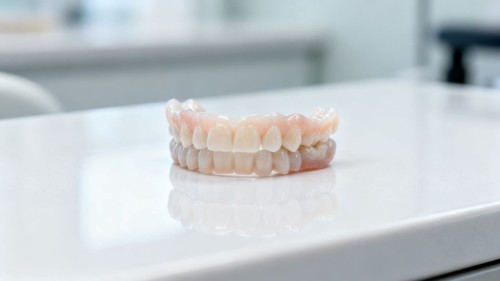
Maintaining your dental health requires vigilance, especially when it comes to the prosthetic devices helping you chew and speak. Over time, your jawbone naturally shrinks and shifts, meaning the surface area supporting your dentures changes. The team at Metropolitan Prosthodontics in Plymouth helps patients recognize the subtle signals that an appliance no longer sits correctly, preventing minor discomfort from developing into significant tissue irritation.
How Often Should Dentures Be Relined?
Because every person experiences bone resorption at a different rate, the timeline for service varies by individual. Most professionals recommend evaluating your device every two years to ensure the base still matches your anatomy. Skipping this checkup might lead to long-term issues like bone loss or uneven pressure on your gums. Watch for these signs:
- You notice food particles trapping under the denture plate.
- Your speech patterns change or sound slightly slurred.
- The dentures slide around or click when eating.
- You feel recurring sore spots on your gums.
Staying proactive about your dental hardware saves you from unnecessary pain later. Identifying these shifts early allows your provider to address minor mismatches before they cause extensive damage to the supporting soft tissues.
Denture Reline vs. Replacement: How to Know Which You Need
Deciding between adjusting your current set and starting fresh with a new one depends entirely on the condition of your existing appliance. A reline simply updates the contact surface of your current base to match your gums, whereas a replacement involves creating an entirely new structure. When the underlying teeth or the shape of the denture base are intact, a simple modification usually suffices to bring back that secure feeling you expect. Our dentures team can evaluate which path fits your situation.
What to Do About Loose Dentures Right Now
If you find your dentures are slipping suddenly, the most important step is to avoid the temptation to fix them with store-bought adhesives long-term. According to MouthHealthy, the American Dental Association's patient resource, dentures should be professionally refitted when they loosen, since ill-fitting appliances can cause sores and infections. While you wait for your appointment, maintaining exceptional hygiene ensures that your mouth remains clear of infection from trapped debris.
| Reline Type | Best For | Typical Lifespan |
|---|---|---|
| Soft Reline | Sensitive gums | 6 to 12 months |
| Hard Reline | Long-term stability | 2 or more years |
| Temporary Reline | Healing and comfort | Short duration |
Selecting the right approach involves weighing the longevity of your current prosthesis against the severity of the misalignment. While hard materials offer greater durability, softer options remain the best choice for those facing chronic irritation.
What Happens During a Denture Reline Appointment?
During a standard office visit, your provider examines how the denture rests against your gum line to identify where extra material is needed. The modification involves removing a thin layer of old acrylic and adding a new base that takes a precise impression of your current ridge. This ensures that the device regains the suction necessary for a natural fit inside your mouth.
How Long Does a Reline Last Before You Need Another?
Depending on the specific material chosen by your clinician, you can generally expect the adjustment to hold its shape for a significant period. Maintaining a regular cleaning routine and scheduling annual checkups will help you keep the prosthetic functioning correctly for as long as possible. Adapting your care routine is a minor investment of time that significantly extends the lifespan of your dental appliances and protects the health of your underlying gum tissues.
Why Ill-Fitting Dentures Shouldn't Be Ignored
Ignoring a loose or ill-fitting appliance leads to much more than just a struggle with food. When a denture shifts, it exerts inconsistent pressure on the bony ridges of your jaws, potentially accelerating bone resorption. This cycle creates further instability, making it increasingly difficult to achieve a proper fit in the future without more invasive procedures. For some patients, implant-supported restorations can provide a more stable long-term solution.
Getting Your Denture Fit Evaluated by a Prosthodontist
A specialist can provide an objective assessment of whether your existing hardware is still viable or if structural repairs are necessary. As a trained prosthodontist, Dr. Sasik looks for signs of microscopic fractures or architectural wear that the average user might miss during routine cleaning. Entrusting this evaluation to a specialist ensures you receive a comprehensive plan that prioritizes your comfort and keeps your jaw in optimal health.
Conclusion
Ensuring your oral health remains stable means paying attention to how your denture fit changes over the months and years. By keeping up with regular evaluations and addressing minor fit issues immediately, you prevent larger, more painful dental complications. If your dentures no longer feel snug, contact our Plymouth office to schedule an evaluation.
Frequently Asked Questions
Can I reline my dentures at home without seeing a dentist?
We strongly recommend against at-home fixes, as these kits often lead to uneven pressure, broken appliances, and potential damage to your gums.
Is a soft reline better than a hard one?
The best choice depends on whether you value longevity or cushion-like comfort for sensitive tissues; your provider will help you choose the right material.
Does the relining process hurt?
The procedure is generally painless, as it involves taking an impression of your mouth and adding new material to the base of your existing device.
How long does a typical reline appointment take?
Many in-office chairside relines can be completed in a single visit, though some more complex adjustments might require sending the appliance to a lab.
Why do my dentures loosen over time?
Your jawbone naturally changes its shape and density over time, which means the custom fit of your initial set will diminish as your anatomy shifts.
About the Author
Dr. Christopher Sasik, DDS, leads Metropolitan Prosthodontics in Plymouth, MN. A graduate of the University of Minnesota School of Dentistry at the top of his class, Dr. Sasik completed three years of residency in Prosthodontics and Maxillofacial Prosthetics at the Mayo Clinic/Mayo Graduate School of Medicine. His practice specializes in complex restorative care, including dentures, dental implants, crowns and bridges, and full mouth reconstruction.
Medical Disclaimer
The information provided in this article is for educational purposes only and does not constitute professional medical, dental, or orthodontic advice, diagnosis, or treatment. Always seek the advice of your dentist or other qualified health provider with any questions you may have regarding a medical condition or treatment. Never disregard professional medical advice or delay in seeking it because of something you have read here.
Blog Post Author

Contributed by DentalROI
DentalROI provides relevant dental content to help providers educate patients. The statements, services, and products referenced in this article have not been evaluated by the Food and Drug Administration, and they are not intended as a substitute for professional medical advice, diagnosis, or treatment. Always seek the advice of your dental provider with any questions or issues you may have. Specific recommendations may vary in different circumstances, so individual consultation is important.
