What Are Screwless Dental Implants
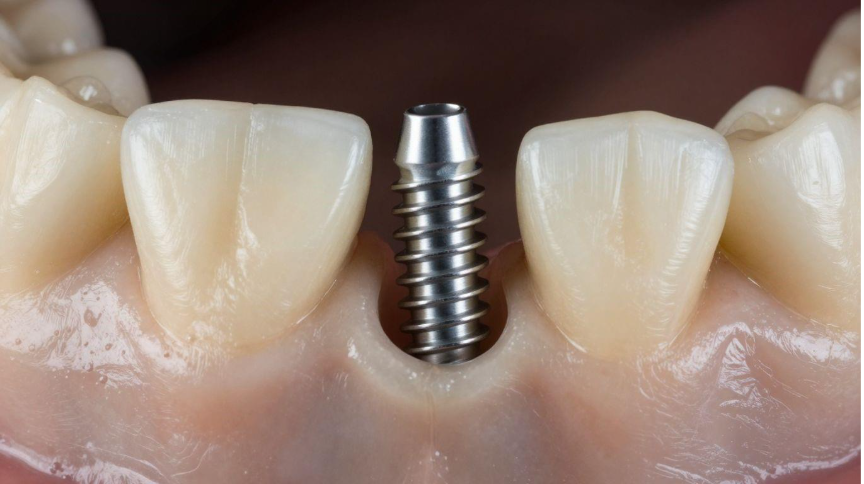
Dental implants have come a long way, offering people a way to replace missing teeth that looks and feels natural. For a long time, the standard way to attach a replacement tooth involved a small screw. But now, there's a different approach gaining attention: screwless dental implants. These systems offer a unique way to secure your new tooth, and understanding how they work can help you decide if they're the right choice for your smile.
Key Takeaways
- Screwless dental implants, also called cement-retained implants, attach a crown to the implant post using dental adhesive instead of a screw.
- The process involves placing the implant post, attaching an abutment, and then cementing the crown for a seamless finish.
- A major benefit is the improved appearance, as there's no visible screw access hole, making them ideal for front teeth.
- While generally stable, screwless implants can be harder to remove for adjustments or repairs compared to screw-retained options.
- Proper placement by an experienced dentist is important to avoid issues like cement residue and ensure long-term success.
A Modern Evolution in Dental Implant Restorations
Dental implants have come a long way, offering people a way to replace missing teeth that feels and looks natural. For a while, the standard approach involved a small screw to hold the crown in place. While effective, this method sometimes left a tiny hole, which some people weren't too keen on, especially for front teeth where appearance matters a lot.
Now, there's a newer generation of implants that are changing things up. These are often called screwless dental implants, and they represent a significant step forward in how we restore smiles. Instead of relying on a visible screw, these modern options use different techniques to secure the replacement tooth. This can mean a crown that's cemented on, or a design where the parts fit together so precisely they create a super stable, friction-based connection.
The goal is to provide a restoration that's not only strong and functional but also looks incredibly natural, with no visible hardware. This evolution is all about giving patients more options and better results, especially when it comes to aesthetics and a more streamlined feel. It's pretty neat how dental technology keeps improving, making treatments more comfortable and the outcomes even better than before. If you're curious about the details of implant procedures, asking your dentist about what to expect is a good first step.
Here's a quick look at how these newer systems work:
- Cement-Retained: The crown is bonded to the abutment (the piece connecting the implant to the crown) using dental cement. This gives a smooth finish with no screw hole.
- Friction-Fit/Press-Fit: These designs use precise engineering, like a tapered connection, where the abutment and implant post fit together very tightly. Think of it like a perfectly fitted puzzle piece that locks into place, creating stability through a snug fit.
- One-Piece Implants: In some cases, the implant post and the abutment are actually made as a single unit. This simplifies the process and reduces potential weak points.
These advancements mean that getting a replacement tooth can be less about visible hardware and more about achieving a natural-looking, comfortable, and stable result. It's a big deal for anyone looking to regain their smile with confidence.
Understanding Screwless Dental Implants
So, what exactly are screwless dental implants? Essentially, they're a type of dental restoration designed to replace missing teeth without using a traditional screw to attach the crown to the implant post. Instead, these systems rely on other methods to secure the artificial tooth. This approach aims to provide a more natural look and feel, addressing some of the concerns patients might have with conventional implants. When we talk about what are screwless implants, we're looking at innovations that offer a different way to achieve a stable and functional replacement tooth.
There are a couple of main ways screwless dental implants work. One common method is using cement. In this case, after the implant post is placed in the jawbone and heals, the artificial tooth (crown) is cemented onto an abutment, which is attached to the implant. This creates a smooth, seamless finish with no visible screw access hole on the crown. Another popular design is the friction-fit system.
Here's a quick look at how they differ from traditional screw-retained implants:
- Appearance: Screwless options typically offer a cleaner look because there's no screw access hole on the crown.
- Stability: Both screwless and screw-retained implants are designed for stability, but friction-fit systems can offer a very secure, almost fused connection.
- Maintenance: While daily care is similar, accessing screwless implants for adjustments or repairs can be more complex and requires specialized tools and a dentist's expertise.
These dental implants without screws are a great option for many people looking for a durable and natural-looking tooth replacement.
How Screwless Dental Implants Work
So, how do screwless dental implants work? It's actually pretty straightforward once you break it down. Unlike traditional implants that use a small screw to attach the crown to the implant post, screwless systems use different methods. The goal is to create a secure and natural-looking tooth replacement without that visible screw hole.
- Cement-Retained: After the implant post heals, the crown is cemented onto an abutment, creating a strong bond.
- Friction-Fit (or Press-Fit): The abutment and implant post fit together tightly, often with a tapered connection, creating stability through friction.
This approach aims for a stable, long-lasting result that looks and feels like your own teeth.
Key Benefits of Screwless Dental Implants for Patients
- Improved Aesthetics: A smooth crown surface with no visible screw holes.
- Reduced Mechanical Complications: No risk of screw loosening or fracture.
- Comfortable and Stable Fit: Designed to closely mimic natural teeth.
- Hygienic Margins: Can help reduce plaque buildup.
These implants can last for many years with proper care and regular dental visits.
Screwless Dental Implants vs. Other Restoration Options
- Screwless Implants: Cemented or friction-fit designs with no visible screw access.
- Screw-Retained Implants: Easily retrievable but include a small access hole.
- Dental Bridges: Supported by adjacent natural teeth.
- Dentures: Removable appliances that replace multiple teeth.
The choice depends on aesthetics, maintenance needs, and oral health.
Wrapping Up Screwless Dental Implants
So, screwless dental implants are a pretty neat option for folks looking to replace missing teeth. They offer a natural look, reliable function, and long-term durability when cared for properly. Contact Metropolitan Prosthodontics today to learn whether screwless dental implants are the right option for your smile restoration needs.
Frequently Asked Questions
Can screwless dental implants be taken out?
Yes, screwless implants can be removed, but special tools and an experienced dentist are required.
Are screwless dental implants safe to use?
Yes, they are safe when placed and maintained properly.
How long do screwless dental implants typically last?
With good oral hygiene and regular check-ups, they can last more than ten years.
Is getting a screwless dental implant a painful experience?
The procedure is done with local anesthesia, and post-procedure discomfort is usually mild.
What is the main difference between screwless and traditional screw-retained implants?
Screwless implants use cement or friction-fit instead of a visible screw, offering a smoother appearance.
Are screwless implants a good choice for front teeth?
Yes, they are often ideal for front teeth due to their natural, seamless appearance.
Blog Post Author

Contributed by DentalROI
DentalROI provides relevant dental content to help providers educate patients. The statements, services, and products referenced in this article have not been evaluated by the Food and Drug Administration, and they are not intended as a substitute for professional medical advice, diagnosis, or treatment. Always seek the advice of your dental provider with any questions or issues you may have. Specific recommendations may vary in different circumstances, so individual consultation is important.
