What Is Full Mouth Reconstruction? Steps, Timeline, and Options
Full mouth reconstruction is a comprehensive process that restores the health, function, and aesthetic appeal of your smile. It is designed for those dealing with severe dental wear, multiple missing teeth, or long-term structural failures. At Metropolitan Prosthodontics in Plymouth, this transformative oral health journey happens over time, often involving a multidisciplinary approach to ensure that your bite and dental structure are revitalized effectively.
What Does Full Mouth Reconstruction Actually Include?
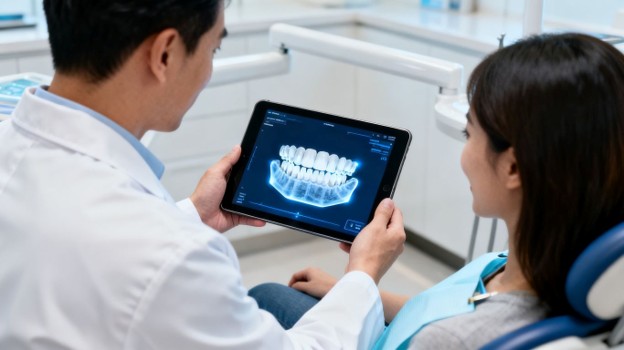
A complete reconstruction encompasses a variety of procedures meant to repair both soft and hard tissues in the mouth. Treatment often begins with a thorough evaluation using digital diagnostic planning to map out the best path for your specific situation, ensuring that every component of your restoration is placed for longevity and comfort.
To better understand what this process entails, consider these primary restorative stages:
- Preliminary periodontal therapy to establish healthy gums.
- Structural repair of severely decayed or broken teeth.
- Alignment and bite optimization for jaw comfort.
- Final placement of high-quality crowns or prosthetic bridges.
These steps work together to ensure that your final result achieves both harmony and a natural look. By meticulously timing each intervention, a specialist can address complex oral issues that would otherwise lead to failing dental work.
Are You a Candidate for Full Mouth Reconstruction?
If you have multiple dental problems that affect your daily quality of life, you might be an ideal candidate for this type of rehabilitation. Most people seeking this care suffer from severe tooth decay, extensive wear from clenching, or trauma that has compromised multiple teeth. A consultation is necessary to see if you require a full-scale restoration or if localized treatments can address your concerns; our office visits page covers what a first appointment looks like.
The Full Mouth Rehabilitation Process Step by Step
The rehabilitation process relies on a structured sequence that balances clinical safety with patient comfort, using modern ceramic materials designed to fit your anatomy precisely and look indistinguishable from natural enamel.
| Procedure Phase | Focus Area | Expected Duration |
|---|---|---|
| Diagnostic Mapping | Digital Impressions | 1-2 Visits |
| Soft Tissue Care | Gum Health Treatment | 2-4 Weeks |
| Structural Fitting | Implants/Crowns | 3-6 Months |
Selecting the right timeline allows the surrounding tissues to stabilize between each restorative step. This careful progression is vital for long-term health and reduces the need for future revisions.
How Long Does Full Mouth Reconstruction Take From Start to Finish?
The timeframe for completing a reconstruction fluctuates based on the complexity of your case and the type of restorative work required. While a simple restoration might be completed in a few months, more involved cases requiring grafts or orthodontic preparation can take a year or longer. Patience is critical during this period, as rushing the biological healing process can impact the stability of the final restoration.
Full Mouth Restoration Options Based on Your Needs
Restorative options include a wide range of solutions, from veneers and onlays to full dental implants and dentures. Your specific needs determine the balance of cosmetic and functional enhancements, ensuring the end result supports your bite and facial structure. Dr. Sasik will present a tailored plan that considers your history, your current health markers, and your goals for a restored, functioning set of teeth.
What to Expect During Your Reconstruction Journey
Embarking on a reconstruction journey requires clear communication with your dental team. You should expect regular check-ins and adjustments, especially if the process involves significant changes to your bite or the structure of your jaw. It is a commitment that rewards you with better chewing efficiency and a renewed sense of confidence whenever you smile.
Choosing a Prosthodontist Experienced in Full Mouth Cases
Finding a prosthodontist who specializes in full-mouth cases is perhaps the most important decision you will make. According to the American College of Prosthodontists, prosthodontists complete three to four years of advanced training beyond dental school specifically in restoring and replacing teeth, making them uniquely qualified to handle the complexities of bite alignment and the integration of multiple restorative components. Dr. Christopher Sasik completed his prosthodontics residency at the Mayo Clinic and coordinates every part of treatment with an understanding of how hard and soft tissues interact over time.
Conclusion
Successfully finishing a full mouth reconstruction requires professional guidance, time, and a well-planned dental design tailored exactly to your biological needs. When these factors align, you regain not just a beautiful smile but also a robust and functional mouth that supports your long-term health. To discuss whether reconstruction is right for you, contact our Plymouth office to schedule a consultation.
Frequently Asked Questions
Can I get a full mouth reconstruction with dental insurance?
Most insurance plans offer partial coverage for specific restorative procedures rather than the cost of a full reconstruction. Check with your provider to understand the specific benefits available for your case.
Does this procedure cause significant pain during treatment?
Modern anesthesia and sedation techniques keep you comfortable throughout the entire sequence, and your team will manage any minor soreness during the healing periods.
Is the final result permanent?
While the materials used are designed for durability, you must maintain excellent hygiene and attend regular check-ups to ensure the restorations last for many years.
Am I too old to undergo these dental procedures?
Age is rarely an exclusionary factor, as long as you are healthy enough to undergo the necessary procedures safely. Your overall physical health determines eligibility.
How does this differ from getting a simple crown?
A full mouth reconstruction addresses the entire mouth structure as a whole system, whereas a simple crown targets only a single, isolated tooth. Reconstruction considers how all teeth, gums, and bite muscles function together.
About the Author
Dr. Christopher Sasik, DDS, leads Metropolitan Prosthodontics in Plymouth, MN. A graduate of the University of Minnesota School of Dentistry at the top of his class, Dr. Sasik completed three years of residency in Prosthodontics and Maxillofacial Prosthetics at the Mayo Clinic/Mayo Graduate School of Medicine. His practice specializes in complex restorative care, including dental implants, crowns and bridges, dentures, and full mouth reconstruction.
Medical Disclaimer
The information provided in this article is for educational purposes only and does not constitute professional medical, dental, or orthodontic advice, diagnosis, or treatment. Always seek the advice of your dentist or other qualified health provider with any questions you may have regarding a medical condition or treatment. Never disregard professional medical advice or delay in seeking it because of something you have read here.
Blog Post Author

Contributed by DentalROI
DentalROI provides relevant dental content to help providers educate patients. The statements, services, and products referenced in this article have not been evaluated by the Food and Drug Administration, and they are not intended as a substitute for professional medical advice, diagnosis, or treatment. Always seek the advice of your dental provider with any questions or issues you may have. Specific recommendations may vary in different circumstances, so individual consultation is important.
