
What Is the Difference Between Crowns and Veneers?
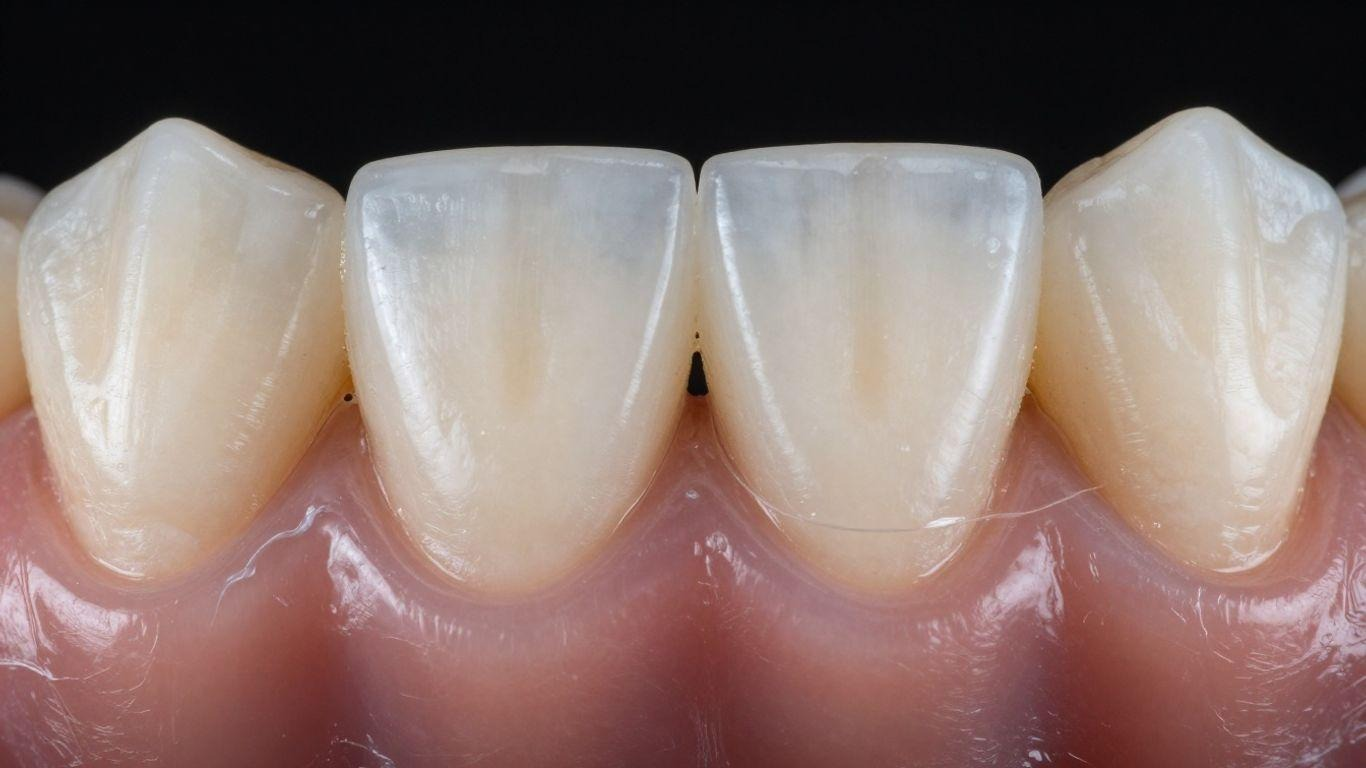
When your smile needs a little help, dentists have a couple of go-to options that can make a big difference: crowns and veneers. Think of them as custom-made covers for your teeth, but they do different jobs and look different up close. They're not just about making things look pretty, though that's a big part of it. These dental restorations are designed to fix problems, strengthen teeth, and bring back that natural look and feel.
These aren't just simple cosmetic fixes; they're about restoring the health and function of your teeth.
So, what's the deal with these tooth covers? Well, they can be made from a few different things, like porcelain, ceramic, or even metal alloys. The material chosen often depends on what the tooth needs – is it just for looks, or does it need some serious structural support? Your dentist will figure out the best material based on your specific situation.
Here's a quick rundown of why you might need one:
- Fixing damage: If a tooth is cracked, chipped, or worn down, these can cover it up and make it strong again.
- Improving appearance: They can change the color, shape, or size of a tooth that you're not happy with.
- Protecting weak teeth: After things like root canals or if a tooth is just generally weak, a restoration can act like a shield.
- Supporting other dental work: Sometimes, they're used to hold things like bridges in place.
It's pretty amazing how a little bit of custom-made material can completely change how a tooth looks and feels, making it strong enough to chew with and bright enough to smile about.
What Are Dental Crowns?
Okay, so let's talk about dental crowns. Think of a crown as a custom-made cap that completely covers a tooth. It's like giving your tooth a brand-new, stronger exterior. Crowns are usually the go-to when a tooth is in rough shape – maybe it's cracked, worn down, has a big cavity that a filling can't handle, or it's just been through a root canal and needs some extra support.
How Crowns Work
Basically, a crown is designed to restore a tooth's shape, strength, and overall appearance. It encases the entire visible part of the tooth above the gum line. This means it's not just about looks; it's also about making sure the tooth can do its job properly and protecting it from further damage. The process usually starts with your dentist checking out the tooth. If there's decay or damage, they'll figure out the best way to fix it. Sometimes, a root canal might be needed first.
Then comes the part where your dentist preps the tooth. They'll carefully file down the existing tooth structure so that the crown can fit snugly over it. The amount of tooth removed really depends on the type of material the crown will be made from. After that, they'll take an impression – kind of like a dental "blueprint" – to make sure the permanent crown fits perfectly. While that permanent one is being crafted in a lab (which can take a couple of weeks), you'll wear a temporary crown to protect the prepared tooth.
Once the permanent crown is ready, your dentist will remove the temporary one and cement the new one in place. It's a pretty involved process, but the result is a tooth that looks and functions like new.
When Are Crowns Recommended?
So, when would a dentist suggest a crown? Here are some common scenarios:
- To protect a weak tooth: If a tooth is severely decayed or has a large filling, it might be at risk of breaking. A crown acts like a shield.
- To restore a broken or severely worn-down tooth: Accidents happen, or sometimes teeth just wear down over time. A crown can bring back the tooth's original shape and strength.
- To cover a misshapen or badly discolored tooth: If you're unhappy with the appearance of a tooth and it can't be fixed with other methods, a crown can make it look great.
- To hold a dental bridge in place: Crowns are often used as anchors for bridges, which replace missing teeth.
- After a root canal: Teeth that have had root canals can become more brittle, so a crown provides necessary protection.
- To cover a dental implant: When a tooth is replaced with an implant, a crown is typically placed on top of it.
Crowns are a pretty robust solution for teeth that need significant help. They cover the whole tooth, offering protection and restoring both form and function. It's a more involved procedure than some other options, but for the right situation, it's a game-changer for saving a tooth.
What Are Dental Veneers?
Okay, so let's talk about veneers. Think of them as super thin, custom-made shells that dentists stick onto the front of your teeth. They're mostly for making your smile look better, not really for fixing big structural problems with your teeth. If you've got teeth that are a bit stained, maybe have some tiny chips, or are just slightly crooked or uneven, veneers can really do wonders.
How Veneers Work
Getting veneers is a process, for sure. First, you'll chat with your dentist about what you're hoping to achieve with your smile. They might take some X-rays or make a mold of your teeth so they have a clear picture of what they're working with. If you decide veneers are the way to go, the dentist will prep your tooth. This usually means removing a tiny bit of enamel from the front surface of your tooth. It’s not a ton, but it’s enough to make sure the veneer sits nicely and looks natural. Then, they'll put on a temporary veneer while your permanent one is being made. The final step is when they bond that custom-made veneer right onto your tooth. It’s pretty cool how they can just stick them on and make your smile look totally transformed.
When Are Veneers Recommended?
Veneers are a great choice when your main goal is to improve the appearance of your teeth, and they're generally healthy otherwise. Here are some common reasons folks opt for veneers:
- Discoloration: If your teeth are stained and regular whitening treatments haven't done the trick, veneers can cover up those stubborn stains.
- Chips and Cracks: Small chips or minor cracks on the front of your teeth can be easily hidden with veneers.
- Gaps: If you have small gaps between your front teeth that bother you, veneers can be shaped to close those spaces.
- Irregular Shapes: Teeth that are naturally uneven or have worn down in odd ways can be reshaped with veneers.
It's important to remember that veneers are primarily a cosmetic fix. They don't add strength to a weak tooth like a crown does. So, if you have significant decay or a tooth that's already pretty damaged, a veneer might not be the best solution on its own.
Generally, veneers can last anywhere from 7 to 15 years if you take good care of them. They're also pretty resistant to staining, which is a nice bonus!
Key Differences Between Crowns and Veneers
So, you're wondering about the difference between crowns and veneers, huh? It's a common question, and honestly, it's not super complicated once you break it down. Both can make your smile look amazing, but they do it in pretty different ways. Let's get into the nitty-gritty of what makes a crown a crown and a veneer a veneer.
Coverage and Purpose
This is probably the biggest distinction. Think of a dental crown as a full helmet for your tooth, while a veneer is more like a fancy, custom-made nail sticker for the front. A crown covers the entire tooth, from top to bottom and all sides. Dentists usually recommend crowns when a tooth is really damaged – maybe it's cracked, has a big cavity, or has had a root canal. The goal here is to protect and strengthen the tooth, restoring its shape and function. Veneers, on the other hand, are mostly about looks. They're thin shells that only cover the front surface of your tooth. If you've got a tooth that's stained, slightly chipped, or maybe a bit misshapen, and it's otherwise pretty healthy, veneers are often the go-to for a cosmetic fix.
Material and Aesthetics
Both crowns and veneers can be made from materials that look a lot like natural teeth, usually porcelain or a similar ceramic. This means they can be color-matched to blend in perfectly with your other teeth. However, because crowns cover the whole tooth, they can sometimes be made from stronger materials like metal or a combination of metal and porcelain, especially if the tooth needs a lot of structural support. Veneers are almost always made of porcelain because they don't need to be as robust as a full crown; their main job is to look good. So, while both can achieve a beautiful, natural look, the material choice can depend on whether you need strength or just a cosmetic boost.
Procedure and Tooth Preparation
This is where things get a bit more involved. Getting a crown typically means your dentist has to shave down a significant amount of your natural tooth structure. This is necessary to make space for the crown to fit snugly and securely. It's a more invasive process. Veneers, however, require much less preparation. Usually, only a very thin layer of enamel is removed from the front of the tooth to create a slightly rough surface for the veneer to bond to. Some newer veneer types might even need minimal or no enamel removal. This makes the veneer procedure less invasive, but remember, once that enamel is gone, it's gone for good.
When deciding between a crown and a veneer, your dentist will look at the overall health and structure of your tooth. If the tooth is significantly damaged or weak, a crown is likely the better choice for long-term stability and function. If the tooth is mostly intact but has cosmetic flaws, veneers might be the way to go for a less invasive aesthetic improvement.
Here's a quick rundown:
- Crowns: Cover the entire tooth. Recommended for significant damage, decay, or weakness. More invasive preparation. Restores function and appearance.
- Veneers: Cover only the front surface. Recommended for cosmetic issues like stains, chips, or minor shape problems. Less invasive preparation. Primarily for aesthetics.
So, when does your dentist recommend each? It really boils down to the condition of your tooth. A crown is for when the tooth needs serious help to be functional and protected. A veneer is for when the tooth is healthy but could use a little cosmetic makeover on the visible front side. The cost and procedure difference is also significant, with crowns generally being more involved and potentially more expensive per tooth due to the extent of work and material needed.
Choosing the Right Option for You
So, you've learned about crowns and veneers, and now you're probably wondering which one is the best fit for your smile. It's not a one-size-fits-all situation, that's for sure. The biggest factor really comes down to what's going on with your teeth and what you're hoping to achieve.
Think of it like this:
- Crowns are like a full helmet for your tooth. They're used when a tooth is pretty damaged, weak, or has had significant work done, like a root canal. They cover the entire tooth, giving it back its strength and function. If you've got a tooth that's cracked, broken, or has a really big filling that's failing, a crown is often the way to go.
- Veneers, on the other hand, are more like a fancy front cover. They're thin shells that stick to the front of your teeth. These are usually for cosmetic reasons – to fix color, shape, or minor chips. If your teeth are generally healthy but you're not thrilled with how they look, veneers are a great option for a smile makeover.
Here’s a quick rundown to help you decide:
Go for a Crown if:
- Your tooth is significantly damaged, decayed, or broken.
- You've had a root canal and need to protect the tooth.
- You need to restore a tooth that’s been worn down.
- You're looking for maximum strength and protection.
Consider Veneers if:
- Your teeth are healthy but have cosmetic issues like stains, chips, or small gaps.
- You want to change the shape or size of your teeth slightly.
- You're looking for a minimally invasive way to improve appearance.
- You want a brighter, more uniform smile.
Ultimately, the best way to figure out what's right for you is to chat with your dentist. They can look at your teeth, talk about your goals, and give you the most accurate recommendation. It’s their job to help you make the best choice for your unique situation, so don't hesitate to ask all your questions!
Wrapping It Up
So, what's the big deal between crowns and veneers? Think of it this way: a crown is like a full helmet for your tooth, protecting and rebuilding it when it's really damaged or weak. A veneer, on the other hand, is more like a stylish front cover for your tooth, mostly for looks when your tooth is okay but not so pretty. Both can make your smile look amazing, but they do it for different reasons and in different ways. The best way to figure out which one is right for your smile is to chat with your dentist. They’ll look at your teeth, hear what you want, and help you pick the perfect fix.
Frequently Asked Questions
What exactly is a dental crown?
A dental crown is basically a cap that fits all the way over a tooth. It's used when a tooth is badly damaged, like if it's cracked, has a big cavity, or after a root canal. It makes the tooth strong again and looks like a normal tooth.
And what about veneers?
Veneers are super thin shells that only cover the front part of your tooth. They're mostly for making your smile look better if your teeth have stains, small chips, or aren't perfectly shaped. They don't really fix a weak tooth, though.
Do crowns cover the whole tooth?
Yep, that's the main idea! Crowns are designed to completely cover the entire tooth, from top to bottom and all sides. This is why they're great for strengthening and protecting teeth that are in rough shape.
Do veneers cover the whole tooth too?
No, not at all. Veneers are just stuck onto the front surface of the tooth. They're all about improving how your tooth looks from the front, kind of like a cosmetic makeover.
Which one is better for a broken tooth?
If your tooth is seriously broken or weak, a crown is usually the way to go. It gives the tooth the support and strength it needs to work properly again. Veneers aren't strong enough for that.
What if I just want whiter teeth?
If your teeth are healthy but just not as white or bright as you'd like, or if they have small chips, veneers are often a fantastic choice. They can change the color and shape of your teeth for a brighter smile.
Blog Post Author

Contributed by DentalROI
DentalROI provides relevant dental content to help providers educate patients. The statements, services, and products referenced in this article have not been evaluated by the Food and Drug Administration, and they are not intended as a substitute for professional medical advice, diagnosis, or treatment. Always seek the advice of your dental provider with any questions or issues you may have. Specific recommendations may vary in different circumstances, so individual consultation is important.
