
Why Do Dentures Cause Sore Spots in the Mouth?
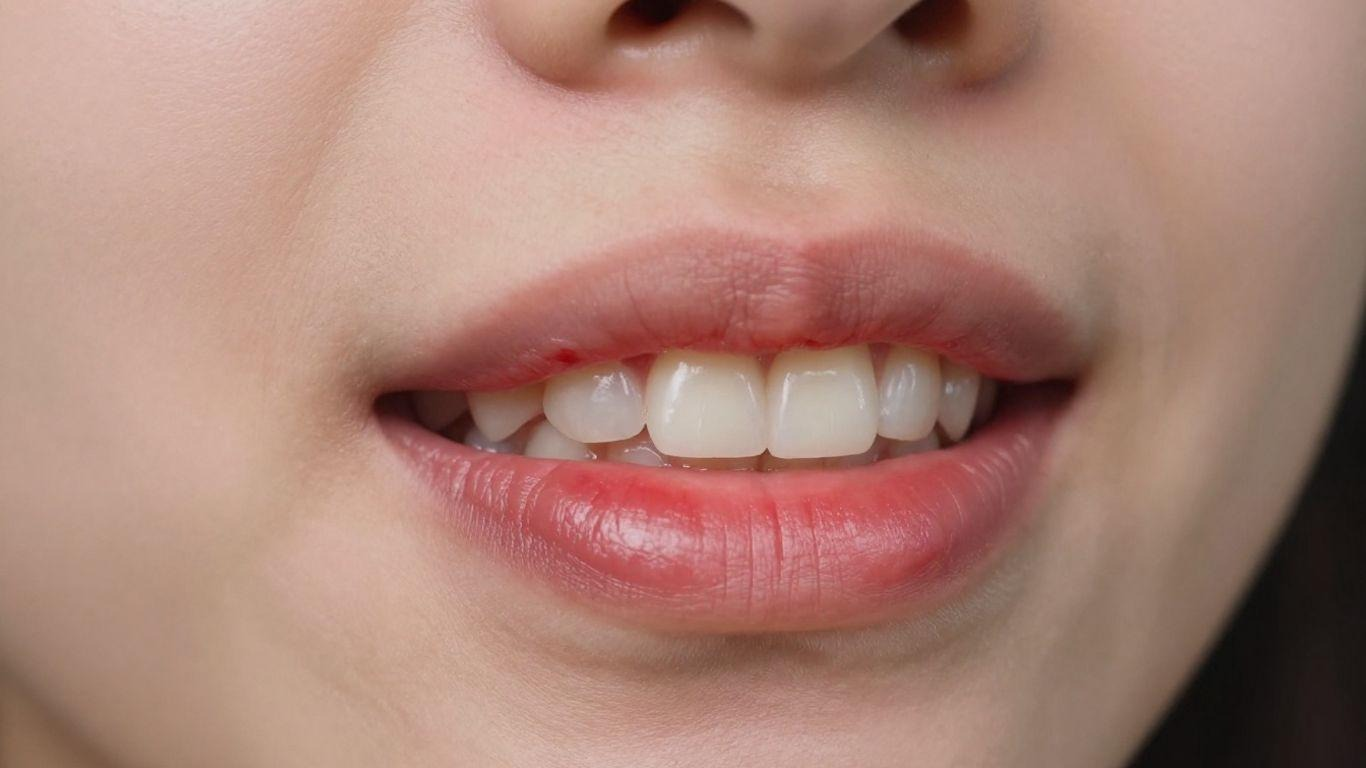
So, you've got dentures. They're pretty amazing things, right? They help you eat, talk, and smile without feeling like something's missing. But for them to do their job well, they really need to fit just right. Think of them like a really good pair of shoes – if they pinch or rub, you're going to be miserable.
Dentures work by sitting snugly on your gums, or in some cases, being held in place by tiny implants. This close contact is what gives them stability. When they're made, they're designed to match the unique shape of your mouth. This is super important because everyone's mouth is different, even from person to person with the same number of teeth missing.
The goal is for your dentures to feel like a natural extension of yourself, not a foreign object causing trouble.
Here's a quick look at how they're supposed to work:
- Stability: They shouldn't wiggle or shift when you're talking or eating. This stability comes from a good seal with your gums or a secure connection to implants.
- Comfort: While there's a bit of an adjustment period, they shouldn't cause sharp pain or constant rubbing.
- Functionality: You should be able to bite, chew, and speak clearly without a second thought.
When dentures don't fit properly, they can create pressure points. These spots, where the denture is too tight or rubs against the gum, are often the culprits behind those annoying sore spots we'll talk about later.
It's a delicate balance. Too loose, and they won't work right. Too tight, and well, you get the idea. That's why getting the fit just right from the start, and keeping it that way, is key to happy denture wearing.
Common Causes of Sore Spots with Dentures
So, you've got dentures, and suddenly your mouth feels like a battleground. It's a pretty common thing, and there are several reasons why those "new teeth" can cause some serious discomfort. Understanding why do dentures cause sore spots in the mouth is the first step to finding some relief.
Poorly Fitting Dentures
This is probably the biggest culprit. Think about it: if your dentures aren't sitting just right, they're going to move around. This movement can cause friction, leading to those annoying sore spots. It's like wearing shoes that are too big or too small – they just rub you the wrong way. Over time, your mouth changes, and dentures that once fit perfectly might start to feel loose or tight. This is a major reason why dentures irritate gums and cause pain.
New Denture Adjustment Period
If you've just gotten your dentures, give your mouth some time to get used to them. It's totally normal to feel a bit sore or tender at first. Your gums and the underlying bone need to adapt to this new presence. Most of the time, this discomfort fades within a few weeks as your mouth adjusts. Just hang in there!
Changes in Your Mouth Over Time
Our bodies are always changing, and your mouth is no exception. After you've had teeth removed, the bone and gum tissue in your jaw can shrink or change shape. This is especially true if it's been a while since you got your dentures. When this happens, your dentures might not fit as snugly as they used to, leading to slipping and rubbing, which causes those painful denture discomfort sore gums reasons.
Improper Denture Care and Hygiene
Not keeping your dentures clean is a recipe for disaster. Food particles and bacteria can get trapped under the denture, irritating your gums and potentially causing infections like denture stomatitis. It's super important to take them out, clean them thoroughly, and rinse your mouth every day. Think of it like cleaning your dishes – you wouldn't leave food stuck on them, right?
Oral Health Issues
Sometimes, the sore spots aren't directly caused by the dentures themselves but by other underlying oral health problems. Things like yeast infections (thrush) or even allergic reactions to the denture material can cause irritation and pain. If you've tried adjusting your dentures and improving your hygiene but the soreness persists, it's definitely time to chat with your dentist.
It's easy to get frustrated when your dentures cause pain, but remember that most issues can be resolved with a few adjustments or a change in routine. Don't just suffer through it; seek solutions!
Identifying the Location of Sore Spots
When you've got a sore spot from your dentures, it's usually pretty obvious where the problem is. Think of it like a pebble in your shoe – you know exactly where it's digging in. The same goes for your mouth. The discomfort usually points to a specific area where the denture is rubbing or putting too much pressure.
Gums
This is probably the most common place to feel the pinch. Your gums are soft and sensitive, so any constant friction from a denture that's not sitting quite right can quickly lead to irritation. You might feel a raw or tender spot right where the edge of the denture meets your gum line. Sometimes, it can feel like a small, persistent ache, or even a sharp jab when you chew.
Cheeks and Lips
Sometimes, the sore spots aren't just on your gums. The edges of your dentures can also rub against the inside of your cheeks or the delicate skin of your lips. This can feel like a chafing sensation, and you might notice redness or even a small ulcer where the rubbing is happening. It can make talking or smiling feel a bit awkward.
Tongue
While less common, your tongue can also get irritated. If a part of your denture is sticking out or has a rough edge, it might be bumping against your tongue. This can feel like a persistent annoyance, and you might find yourself unconsciously trying to avoid touching that spot with your tongue. It's usually a sign that something on the denture itself needs a little smoothing or adjustment.
What to Do About Denture Sore Spots
So, you've got some sore spots from your dentures. Bummer, right? It happens to a lot of people, and figuring out how to fix sore spots from dentures is usually pretty straightforward. The first thing to remember is not to tough it out – persistent pain is your mouth's way of telling you something needs attention.
Here are some steps you can take to get some relief and figure out the denture sore spots causes and solutions:
- Saltwater Rinse: Mix about a teaspoon of salt into a glass of warm water. Swish this around in your mouth a few times a day. It's a simple way to clean the area and can help calm down inflammation.
- Take a Break: If your mouth is feeling particularly sore, try taking your dentures out for a few hours, especially before bed. Giving your gums a rest can make a big difference.
- Check Your Denture Care: Make sure you're cleaning your dentures thoroughly every day. Food bits and bacteria hanging around can really irritate your gums.
- Consider Denture Adhesive: If your dentures feel a bit loose, a good quality denture adhesive can help keep them snug. This can reduce rubbing and prevent further irritation while you wait to see your dentist.
Sometimes, a sore spot is just a sign that your mouth needs a little time to adjust, or maybe your dentures need a minor tweak. But if the soreness doesn't get better after a few days of home care, or if it seems to be getting worse, it's definitely time to call your dentist. They can check if your dentures need adjusting, relining, or if there's another issue going on that needs professional attention.
Conclusion
Dealing with sore spots from dentures can be a real pain, but it doesn't have to be a permanent problem. Most of the time, these issues pop up because of how the dentures fit or how our mouths change over time. Simple things like keeping your dentures clean, giving your mouth a break at night, and trying out some home remedies can help a lot. If the soreness sticks around, though, don't hesitate to visit your dentist. They can adjust your dentures or suggest other solutions to make sure you can smile, eat, and talk comfortably again. Remember, your dentures are meant to make your life better, not cause you discomfort.
Frequently Asked Questions
Why do my new dentures hurt my mouth?
When you first get new dentures, your mouth needs time to get used to them. It's like breaking in a new pair of shoes. Your gums and jaw might feel sore for a bit. This usually gets better as your mouth adjusts. If the pain is really bad or doesn't improve after a few weeks, it's a good idea to see your dentist.
What's the best way to clean dentures to avoid sores?
You should clean your dentures every day. Gently brush them with a soft brush and denture cleaner to get rid of food bits and germs. Don't use regular toothpaste, as it can be too rough. Also, rinse them well after cleaning. Keeping them clean stops bacteria from building up, which can cause irritation.
Can I wear my dentures while I sleep?
It's generally not a good idea to wear your dentures to bed. Taking them out at night gives your gums a chance to rest and recover from the pressure of the dentures. This also helps prevent infections and allows them to be cleaned properly. Just make sure to soak them in a cleaning solution overnight.
What can I do at home for sore spots from dentures?
For mild soreness, try rinsing your mouth with warm salt water a few times a day. You can also apply a little bit of aloe vera gel to the sore areas for a soothing effect. If the pain is bothering you, over-the-counter pain relievers or special numbing gels for dentures might help temporarily.
My dentures feel loose. What should I do?
If your dentures feel loose, they might be rubbing more and causing sore spots. Sometimes, using a denture adhesive can help them stay put for a while. However, a loose fit usually means your dentures need to be adjusted or relined by your dentist. It's important to get them refitted so they don't cause more problems.
When should I see a dentist about denture sores?
You should see your dentist if the sore spots don't get better after a few days of home care, or if they seem to be getting worse. Persistent sores could mean your dentures don't fit right, or there might be an infection like denture stomatitis. Your dentist can figure out the cause and make the necessary adjustments or treatments.
Blog Post Author

Contributed by DentalROI
DentalROI provides relevant dental content to help providers educate patients. The statements, services, and products referenced in this article have not been evaluated by the Food and Drug Administration, and they are not intended as a substitute for professional medical advice, diagnosis, or treatment. Always seek the advice of your dental provider with any questions or issues you may have. Specific recommendations may vary in different circumstances, so individual consultation is important.
