Why No Dairy After Dental Implant?
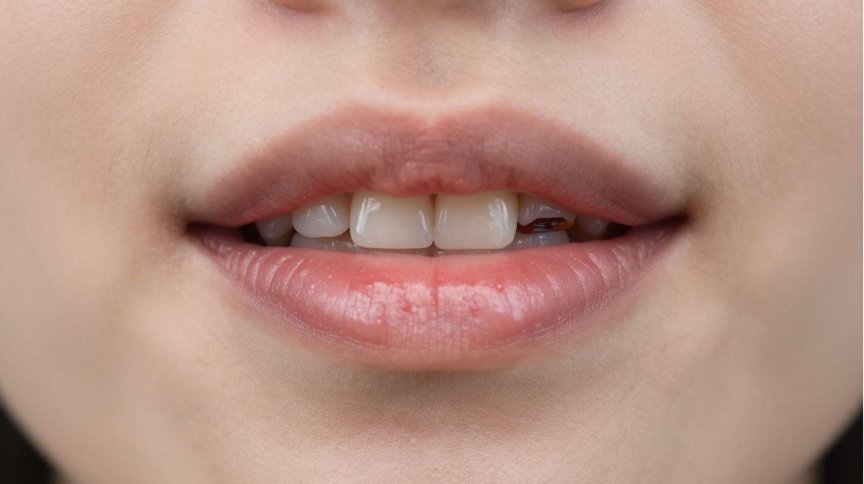
Getting a dental implant is a big step toward restoring your smile and how you eat. After the procedure, your dentist will give you some instructions to help things heal right. One common piece of advice is to hold off on dairy products for a little while. It might seem a bit strange, especially since dairy is often seen as healthy, but there are specific reasons why this temporary change is recommended to help your new implant settle in properly.
Key Takeaways
- The main reasons to avoid dairy after dental implant surgery are to reduce the risk of infection and to prevent potential interference with prescribed antibiotics.
- Calcium in dairy products can sometimes affect how well antibiotics work, making them less effective in fighting off potential infections during healing.
- While scientific evidence directly linking dairy to implant failure is limited, avoiding it is a precautionary measure recommended by many dentists for the initial healing phase.
- Most dentists suggest avoiding dairy for about 48 to 72 hours after surgery, but always follow your specific dentist's instructions.
- Focus on soft, nutrient-rich foods like smoothies, soups, and mashed vegetables during the initial recovery period, and reintroduce dairy once your dentist gives the okay.
What Happens After a Dental Implant Is Placed?
So, you've just had a dental implant put in. What's next? Well, the main thing happening is a process called osseointegration. Think of it as your jawbone and the implant, which is usually a titanium post, getting to know each other and bonding. This is super important because it's what makes the implant feel like a real tooth.
This bonding doesn't happen overnight. It takes time, usually several months, for everything to fuse together properly. During this period, the surgical site is delicate. It's still healing, and anything that might disrupt this process needs to be avoided. That's why your dentist will give you specific instructions on what to eat and how to care for the area. Following these guidelines closely is key to making sure your implant heals well and lasts for years.
Your mouth will likely feel a bit tender after the procedure. You'll probably start with a liquid diet for the first few days, then move on to soft foods. The goal is to protect the implant site from any unnecessary pressure or irritation. It's all about giving your body the best chance to heal without any hitches. You can find more general information about dental implants here.
The healing phase after implant surgery is a critical time. It requires careful attention to diet and oral hygiene to support the bone's integration with the implant. Any disturbance can impact the long-term success of the implant.
Why Dairy Products Are Often Avoided Immediately After Implant Surgery
After you get a dental implant, there are a few reasons why your dentist might suggest you hold off on dairy products for a little while. It's mostly about giving your mouth the best chance to heal without any hiccups.
One of the main concerns is the potential for bacteria. Even though dairy is usually fine, right after surgery, your mouth is more sensitive. Introducing dairy could introduce bacteria that might irritate the surgical site or slow things down. It’s a small risk, but one that’s easy to avoid.
Another important point relates to any antibiotics you might be taking. Calcium, which is in dairy, can actually bind to certain antibiotics. This means the medicine might not work as well as it should. So, to make sure your antibiotics do their job fighting off any potential infection, it’s wise to skip the milk and cheese for a bit.
Here’s a quick rundown of the main reasons to avoid dairy:
- Bacterial Risk: Minimizing exposure to bacteria near the surgical site.
- Antibiotic Interaction: Ensuring prescribed antibiotics are fully effective.
- Inflammation Potential: Some dairy can potentially increase inflammation, which isn't ideal for healing.
While the advice to avoid dairy after dental implant surgery is common, it's primarily a precautionary measure for the initial healing phase. The goal is to create the safest environment for your implant to integrate properly with your jawbone.
The restriction is usually quite short, often just a few days. Once your dentist gives you the okay, you can typically reintroduce dairy into your diet without issue. It’s all about protecting that new implant during its most vulnerable stage.
How Long Should Dairy Be Avoided?
The question of how long to avoid dairy after dental implant surgery is something a lot of people wrestle with, especially when guidance can be mixed. Most dentists recommend steering clear of dairy for at least the first few days after the procedure, focusing on the period when the surgical site is at its most sensitive. This ranges from 48 hours to a week, but the specific timeframe often depends on the dentist’s preference and a patient’s unique recovery pace.
Here are some points to keep in mind:
- Initial healing: The first 48-72 hours post-surgery are when tissues are most at risk for irritation or infection. Avoiding dairy during this window is usually advised.
- Soft tissue recovery: Full closure of the gum tissue can take a week or more, so a longer avoidance period (up to seven days) is sometimes suggested for those healing a bit slower.
- Dentist’s instructions: The best guideline always comes from the dental professional managing the care. If they set a more precise duration based on individual healing, follow that timeline.
Table: Common Dairy Avoidance Timelines
Timeline (Days)
Reason
2–3
Allow for early clot and tissue formation
5–7
Minimize risk of local irritation and disruption
Until review
For those with complication risk or at dentist’s instruction
Most people find that once the initial swelling and discomfort go down, reintroducing dairy in small amounts is safe—as long as there are no signs of infection or slow healing.
It’s worth noting that the reasoning behind avoiding dairy is mostly precautionary; strong scientific evidence linking dairy to poor implant outcomes is lacking. It’s all about giving the body a smooth, uneventful recovery in those first important days.
Recommended Foods During Early Dental Implant Recovery
After your dental implant surgery, focusing on what you eat is pretty important for healing. The goal is to keep the implant site undisturbed and give your body the best chance to recover. Think soft, easy-to-manage foods for the first little while.
Sticking to a soft food diet is key in the initial healing phase. This means avoiding anything hard, crunchy, sticky, or overly chewy that could put pressure on the implant or dislodge it. You'll also want to steer clear of foods that are very hot or very cold, as temperature extremes can irritate the surgical area. Room temperature is your friend here.
Here are some good food ideas to get you started:
- Smoothies and Shakes: Great for getting nutrients without much chewing. Just make sure they aren't too acidic (like citrus-heavy ones) and avoid using a straw, as the suction can be harmful.
- Soups and Broths: Opt for lukewarm, pureed soups. Creamy soups are fine, but avoid chunky ones where you might bite down on something hard.
- Mashed Foods: Think mashed potatoes, sweet potatoes, or even well-mashed bananas. These are easy to swallow and provide energy.
- Cooked Cereals: Oatmeal or cream of wheat made with water or a non-dairy milk alternative are good choices. Make sure they're not too hot.
- Soft Proteins: Scrambled eggs, well-cooked fish, or soft tofu can be good sources of protein to help with healing.
It's generally advised to avoid foods that require significant chewing or could potentially irritate the surgical site. This includes things like nuts, seeds, popcorn, and even crunchy vegetables until your dentist gives the okay.
As the healing progresses, usually over a week or two, you can gradually introduce slightly more textured foods. Your dentist will guide you on when it's safe to move back towards your regular diet. Listening to your body and your dentist's advice will make a big difference in how smoothly things go.
Additional Tips for a Smooth Dental Implant Recovery
Beyond watching what you eat, there are a few other things that can help things go smoothly after your dental implant surgery. It's all about giving your mouth the best chance to heal properly.
First off, keeping things clean is super important, but you have to be gentle. Your dentist will likely tell you to rinse your mouth with warm salt water, usually starting about a day after the procedure. Just swish it around gently, don't spit hard. And for the first few days, try your best not to brush right on the spot where the implant went in. You can clean other areas, of course, but give the surgical site some space to start healing.
Stay hydrated: Drink lots of water throughout the day. This helps keep your tissues healthy and supports the healing process.
Avoid irritants: Steer clear of smoking and alcohol. These can really slow down healing and even affect how well the implant integrates with your bone.
Rest: Give your body time to recover. Try not to overexert yourself in the days following the surgery.
Follow-up appointments: Don't skip your check-ups. Your dentist needs to see how things are progressing and can catch any potential issues early on.
It's also a good idea to avoid anything that could put extra pressure on the implant area. This means being mindful of how you chew and what you eat, sticking to softer foods for a while. Think about it like this: you wouldn't want to bump a new bruise, right? Your implant site needs similar care.
Remember that everyone heals a bit differently. What works for one person might not be exactly the same for another. Always listen to your dentist's specific instructions, as they know your individual situation best. They might have personalized advice based on your health and the specifics of your surgery.
If you're feeling any unusual pain, swelling that gets worse, or notice anything concerning, don't hesitate to call your dental professional. It's always better to be safe and get it checked out.
Wrapping Up: Dairy and Your Dental Implant
So, while it might seem a little strange to skip dairy after getting a dental implant, it's mostly a temporary step to help things heal smoothly. Think of it as a short break to give your mouth the best chance to recover without any hiccups. The good news is this restriction usually only lasts a few days. Once your dentist gives you the okay, you can bring dairy back into your diet and enjoy all its benefits again. Always remember to follow your dentist's specific advice, as everyone heals a bit differently. Taking these small steps now helps protect your new smile for years to come.
Frequently Asked Questions
Why are dairy products not recommended right after getting a dental implant?
Dentists often suggest avoiding dairy for a short period after a dental implant procedure as a precaution. While dairy is generally healthy, it might slightly increase the risk of irritation or bacterial issues near the surgical spot. Also, calcium in dairy can sometimes make antibiotics less effective, and some believe dairy might contribute to inflammation or affect the initial blood clot formation, which is vital for healing. It's a temporary measure to help ensure the implant heals smoothly.
How long should someone avoid dairy after dental implant surgery?
Typically, the recommendation to avoid dairy lasts for about 48 to 72 hours, or roughly two to three days, after the surgery. This timeframe allows the initial healing to begin and for any prescribed antibiotics to work without interference. However, your dentist will give you the best advice based on how you are healing, and some cases might require a slightly longer period.
Are there any health benefits to avoiding dairy after dental implants?
The main benefit of avoiding dairy is to create the best possible environment for your dental implant to heal without any potential setbacks. By skipping dairy temporarily, patients reduce the chance of minor infections, ensure their antibiotics work as intended, and avoid anything that might irritate the sensitive surgical area. It's about protecting the implant during its most vulnerable stage.
What are some good food alternatives to dairy after dental implant surgery?
There are plenty of delicious and healing foods to enjoy! Smoothies made with water or non-dairy milk, soft fruits like bananas or avocados, pureed soups, mashed potatoes or sweet potatoes, scrambled eggs, and well-cooked fish or soft meats are excellent choices. The key is to stick to soft, easy-to-chew foods that won't put pressure on the implant site.
Can I eat yogurt or ice cream after dental implant surgery?
While yogurt and ice cream are soft, they are dairy products. So, generally, it's best to avoid them during the initial 48-72 hour period recommended for avoiding dairy. If you're craving something cold, sugar-free, non-dairy sorbet or popsicles might be a better option. Once your dentist gives you the okay to reintroduce dairy, plain yogurt is often one of the first things people can safely enjoy.
Will avoiding dairy affect my nutrient intake for bone healing?
It's a valid concern, as dairy is known for calcium. However, the period of avoiding dairy is very short, usually just a few days. During this brief time, you can get essential nutrients for bone healing from other sources like leafy green vegetables, fortified non-dairy milks, and certain fish. Your body can manage without dairy for this short recovery phase, and your dentist will guide you on overall nutrition for optimal healing.
Blog Post Author

Contributed by DentalROI
DentalROI provides relevant dental content to help providers educate patients. The statements, services, and products referenced in this article have not been evaluated by the Food and Drug Administration, and they are not intended as a substitute for professional medical advice, diagnosis, or treatment. Always seek the advice of your dental provider with any questions or issues you may have. Specific recommendations may vary in different circumstances, so individual consultation is important.
